







What's Happening?
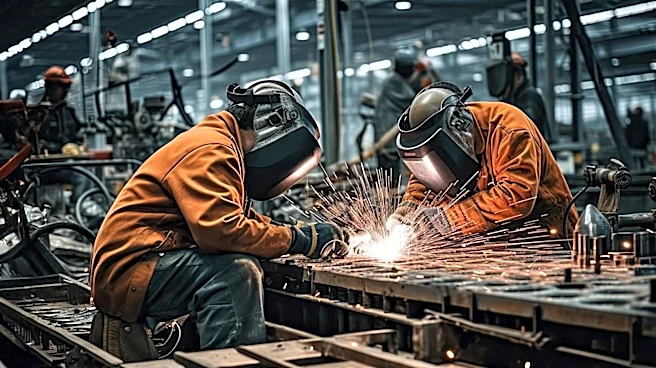
The demand for skilled labor in the United States remains robust, particularly in technical, service, and operations sectors that require a blend of hands-on experience and digital proficiency. This trend is evident across various industries, including
construction, where multiskilling can significantly reduce project timelines. Skilled trades are increasingly recognized as a practical and accessible route into the middle class, especially for single parents seeking stable, family-supporting wages without the need for a four-year degree. In Philadelphia, for instance, there is a steady need for skilled workers in construction, healthcare, manufacturing, and vehicle repair. Similarly, Oakland County, Michigan, reports that demand for skilled trades talent is among the highest in the nation, with significant job growth in advanced manufacturing, healthcare, and information technology. Programs like the Veterans Electrical Entry Program (VEEP) in San Bernardino County are actively preparing veterans for careers in the electrical industry through intensive pre-apprenticeship training, highlighting collaborative efforts between education, industry, and workforce development organizations to meet this demand.
Why It's Important?
The emphasis on skilled trades as a pathway to economic stability is crucial for addressing workforce shortages and fostering economic mobility. For individuals, particularly single parents or those seeking career changes, these trades offer a quicker entry into well-paying jobs compared to traditional four-year degrees, often with less debt. This can lead to improved financial security for families and stronger local economies. For industries, a robust supply of skilled labor is essential for maintaining operational efficiency, driving innovation, and completing critical infrastructure projects. The construction industry, for example, faces a significant labor shortage due to demographic shifts and educational trends, making expanded apprenticeship and vocational training programs vital. Investing in these programs not only fills immediate job vacancies but also builds a resilient workforce capable of adapting to evolving technological demands, thereby supporting long-term economic growth and competitiveness in the U.S.
What's Next?
Efforts to expand and promote vocational and apprenticeship programs are expected to continue, with a focus on making these pathways more accessible and attractive to a diverse range of individuals. The introduction of initiatives like the Workforce Pell Grant, effective July 2026, aims to extend federal funding to short-term career programs, further reducing financial barriers for eligible students. Workforce development organizations, in collaboration with educational institutions and industry partners, will likely enhance their outreach and support services to connect more individuals with training opportunities in high-demand trades. This includes tailored programs for specific demographics, such as veterans, to leverage their unique skills and experiences. Continued investment in these partnerships and funding mechanisms will be critical to sustaining the growth of the skilled trades workforce and ensuring that the U.S. economy has the talent it needs to thrive.
Beyond the Headlines
The growing recognition of skilled trades as a viable career path challenges traditional perceptions that often prioritize four-year university degrees. This shift has broader societal implications, potentially leading to a re-evaluation of educational values and career counseling approaches. It highlights the importance of practical, hands-on skills in a rapidly evolving economy and underscores the value of vocational training. Furthermore, the focus on skilled trades can contribute to greater economic equity by providing accessible routes to the middle class for individuals who may not have the resources or inclination for traditional higher education. This movement also addresses the ethical responsibility of ensuring that all members of society have opportunities for meaningful employment and economic security, fostering a more inclusive and resilient workforce that can adapt to future economic and technological changes.