





What's Happening?
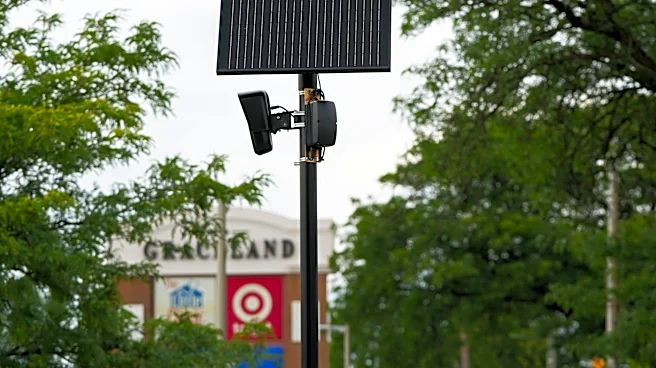
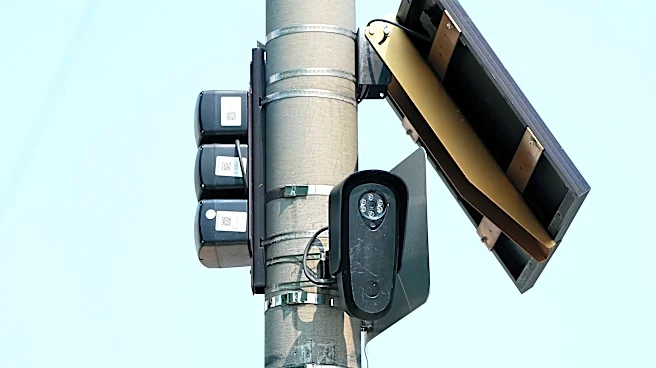
Indiana lawmakers are facing increasing pressure to establish statewide regulations for automated license plate readers (ALPRs), also known as Flock Safety cameras, following a growing public outcry over privacy concerns. Despite ALPRs being in use by
the Indiana State Police for over a decade, scanning millions of plates monthly to identify traffic violators, stolen vehicles, and missing persons, the lack of clear statewide policies has led to local police agencies developing their own guidelines. Efforts in 2023 by a former senator to introduce a bill for statewide standards died in committee, leaving a regulatory void. Now, with renewed public furor, several lawmakers are expected to file bills to implement guardrails or even propose a full ban on these devices, as reported by the Capital Chronicle.
Why It's Important?
The debate over license plate readers in Indiana highlights a critical tension between public safety and individual privacy rights. While law enforcement agencies argue that ALPRs are invaluable tools for solving crimes, recovering stolen property, and locating missing persons, privacy advocates express concerns about the mass collection of data on law-abiding citizens. The absence of statewide regulations means that policies vary significantly across jurisdictions, creating an inconsistent legal landscape and potential for misuse. This issue is particularly important in the U.S. as it touches upon Fourth Amendment protections against unreasonable searches and seizures. The outcome of this legislative push in Indiana could set a precedent for other states grappling with similar technological advancements and their implications for civil liberties. Establishing clear guardrails is essential to ensure accountability, prevent abuse, and maintain public trust in law enforcement's use of surveillance technologies.
What's Next?
In the upcoming legislative session, Indiana lawmakers are expected to introduce several bills aimed at regulating or potentially banning automated license plate readers. These proposals will likely focus on establishing statewide standards for data retention, access, and usage, as well as accountability measures to prevent misuse. The debate will involve balancing the perceived benefits for law enforcement with privacy concerns raised by civil liberties advocates. Key stakeholders, including police departments, privacy organizations, and technology providers like Flock Safety, will likely engage in discussions to influence the legislative outcome. The legislative process will determine whether Indiana adopts comprehensive regulations, implements a partial ban, or maintains the current fragmented approach, which could have significant implications for both public safety operations and individual privacy rights across the state.
Beyond the Headlines
The controversy surrounding license plate readers in Indiana delves into the broader ethical and legal implications of pervasive surveillance technology in a democratic society. Beyond the immediate concerns of data privacy, the unchecked use of ALPRs raises questions about the potential for mission creep, where technology initially deployed for specific purposes is later expanded to broader, less defined uses. There's also the risk of creating a 'chilling effect' on civil liberties, where individuals may feel constantly monitored, leading to self-censorship or reduced participation in public life. The debate also highlights the challenge of adapting existing legal frameworks, such as the Fourth Amendment, to rapidly evolving technologies. The outcome in Indiana could influence national conversations about the appropriate balance between security and freedom in the digital age, potentially shaping future judicial interpretations and legislative actions regarding surveillance technologies across the U.S.