






What's Happening?
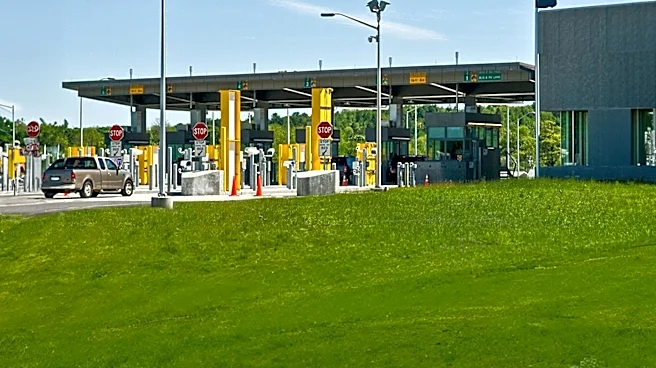
U.S. Customs and Border Protection (CBP) is offering significant recruitment incentives for newly appointed Customs and Border Protection Officers (CBPOs) who choose to work in prioritized locations, including several in Vermont. These incentives amount
to up to $15,000 per year, contingent on a four-year service contract. The specific Vermont locations designated as prioritized include Beecher Falls, Derby Line, Highgate Springs, Norton, and Richford. This initiative is part of a broader effort by CBP, one of the largest federal law enforcement agencies within the Department of Homeland Security, to fill full-time, entry- and mid-level career positions. The agency is responsible for securing national borders against terrorism, human and drug smuggling, illegal migration, and agricultural pests, while also enforcing legitimate travel and trade. CBPOs are integral to these operations, enforcing customs, immigration, and agriculture laws, conducting inspections, and preventing the entry of prohibited goods.
Why It's Important?
This recruitment drive is crucial for national security and border integrity, particularly in regions like Vermont which share a border with Canada. The financial incentives aim to attract qualified individuals to critical, often remote, border locations that might otherwise struggle with staffing. Adequate staffing of CBPOs ensures effective enforcement of federal laws, which directly impacts the flow of goods and people across U.S. borders. A well-staffed border patrol helps mitigate risks associated with illegal activities such as drug trafficking and human smuggling, thereby protecting communities and national interests. For the local economies in these Vermont towns, the influx of federal employees and their families could provide a boost, supporting local businesses and services. Conversely, understaffing could lead to vulnerabilities in border security, potentially increasing the risk of illicit activities and compromising national safety.
What's Next?
CBP will continue to accept applications for these positions, with the recruitment incentives serving as a key draw. Prospective candidates will undergo a rigorous application process, including evaluation of resumes and supporting documents, and for GS-5 or GS-7 grade levels, the CBP Officer Entrance Exam. Successful applicants will then be detailed to the Federal Law Enforcement Training Center in Glynco, GA, for 103 days of intensive instruction. The agency anticipates filling vacancies in these prioritized locations, and the effectiveness of these incentives in attracting and retaining talent will likely be monitored. Future adjustments to incentive programs or prioritized locations may occur based on ongoing operational needs and recruitment success rates.
Beyond the Headlines
The offering of substantial recruitment incentives highlights a persistent challenge for federal law enforcement agencies: attracting and retaining personnel in critical, often geographically isolated, areas. This strategy underscores the government's recognition of the vital role these officers play in national security and the need to make these positions competitive. Beyond the immediate security implications, the presence of a robust CBP force in border communities can foster a sense of security and stability, but also raise questions about the balance between enforcement and community relations. The long-term success of such incentive programs could influence future federal recruitment strategies for other agencies facing similar staffing challenges in specialized or remote roles.