







What's Happening?
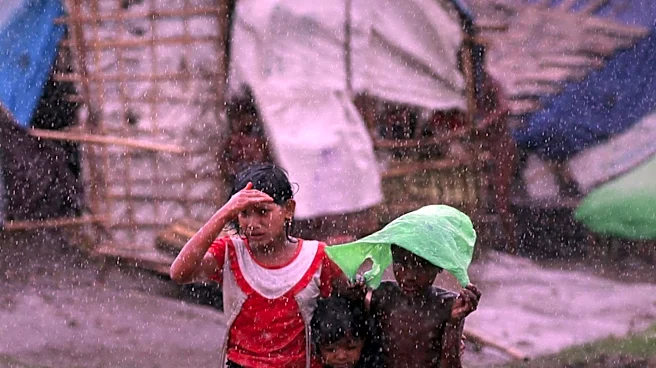
Southern Africa is experiencing a significant increase in cholera outbreaks, exacerbated by climate change. Cyclone-driven floods have damaged water infrastructure, contaminated drinking water supplies, and displaced hundreds of thousands of people, particularly
in Mozambique. The bacterium Vibrio cholerae, which causes cholera, thrives in aquatic environments, and warmer water, flooding, and plankton blooms have dramatically increased bacterial concentrations, creating ideal conditions for outbreaks. In early 2026, southern Africa saw a seven-fold increase in cholera cases compared to the previous year, with 13 African countries reporting simultaneous outbreaks. This situation highlights the broader impact of climate change on public health, as it creates conditions conducive to the spread of various infectious diseases.
Why It's Important?
The increase in cholera cases in southern Africa underscores the broader implications of climate change on global health. As climate change alters weather patterns, it creates environments that facilitate the spread of infectious diseases. This poses a significant threat to regions with underfunded health systems and widespread poverty, such as Africa. The situation in southern Africa serves as a warning for other regions that may face similar challenges as climate change progresses. The spread of diseases like cholera can strain healthcare systems, disrupt economies, and lead to significant loss of life. Addressing these challenges requires coordinated global efforts to mitigate climate change and strengthen healthcare infrastructure.
What's Next?
To combat the spread of climate-accelerated infectious diseases, there is a need for integrated surveillance systems that combine climate forecasting, environmental monitoring, and disease surveillance. These systems can help predict outbreaks before they occur, allowing public health authorities to prepare healthcare services, strengthen vector control, and deploy vaccines or treatments in advance. Additionally, African scientists, governments, and institutions must take greater ownership of identifying health challenges and developing locally appropriate technologies and policy responses. Building resilience against climate change-induced health threats is crucial to preventing future outbreaks and ensuring public health security.
Beyond the Headlines
The situation in southern Africa highlights the interconnectedness of climate change and public health. It demonstrates how environmental changes can exacerbate existing vulnerabilities, leading to more frequent and severe disease outbreaks. This underscores the importance of addressing climate change not only as an environmental issue but also as a critical public health concern. The need for global cooperation and investment in climate adaptation and healthcare infrastructure is more urgent than ever to prevent similar crises in other parts of the world.