






What's Happening?
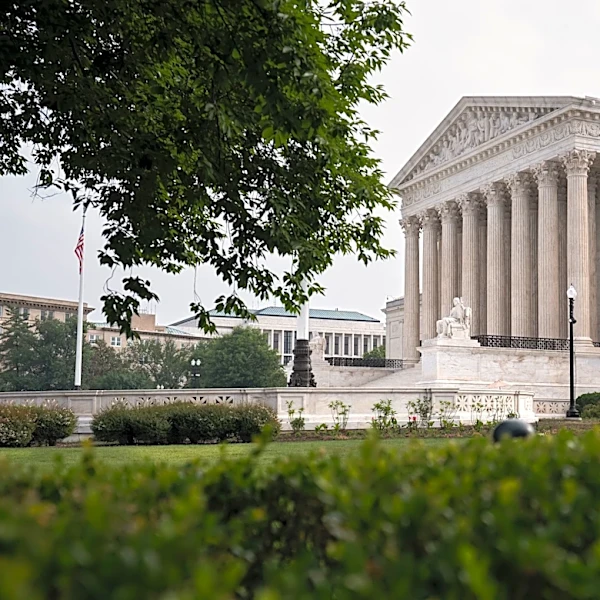
In response to a recent Supreme Court decision on birthright citizenship, Stephen Miller, deputy White House chief of staff, has proposed a controversial measure to address what he terms 'birth tourism.' Speaking on Fox News, Miller criticized the court's
ruling and suggested that the U.S. should reconsider its immigration policies to prevent foreign pregnant women from entering the country. He argues that birthright citizenship allows children born to non-citizens on U.S. soil to become citizens, which he claims could lead to financial exploitation of American welfare systems. Miller's comments align with a legislative proposal by Rep. Andy Ogles, who introduced the 'Anchors Away Act' to ban entry of pregnant women without citizenship or green card status. This proposal aims to align immigration practices with what Ogles describes as the original intentions of the nation's founders.
Why It's Important?
The discussion around birthright citizenship and immigration policy is significant as it touches on fundamental aspects of U.S. constitutional rights and immigration law. The proposal to restrict entry of pregnant women could have far-reaching implications for international relations and human rights, potentially affecting tourism and diplomatic ties. Critics argue that such measures could be seen as discriminatory and may face legal challenges. The debate also highlights ongoing tensions within U.S. politics regarding immigration reform, with potential impacts on the demographics and social fabric of the nation. If implemented, these policies could alter the landscape of immigration and citizenship, affecting millions of individuals and families seeking to enter the U.S.
What's Next?
The proposed legislative changes are likely to spark significant debate in Congress and among the public. Legal experts and civil rights organizations may challenge the constitutionality of such measures, citing potential violations of the 14th Amendment, which grants citizenship to all persons born or naturalized in the U.S. Political leaders and advocacy groups are expected to weigh in, with potential protests and campaigns both in support of and against the proposed restrictions. The outcome of this debate could influence future immigration policies and set precedents for how the U.S. addresses issues of citizenship and immigration.