


What's Happening?
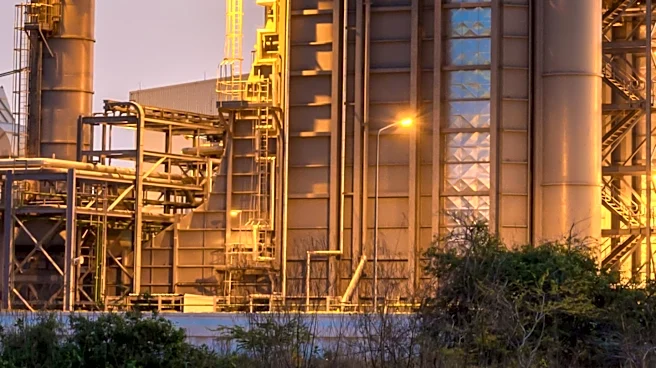
Libya's energy sector is facing renewed security threats as political instability continues to affect the country's vital infrastructure. Key facilities such as the Zawiya refinery and the Mellitah complex have been targeted by protests and security breaches,
leading to disruptions in domestic fuel supply and international export commitments. The energy sector, which is crucial to Libya's national revenue, is increasingly being used as a leverage point in the country's fragmented political landscape. These disruptions pose a significant threat to Libya's fiscal stability and its ability to maintain essential services for its population.
Why It's Important?
The ongoing instability in Libya's energy sector has far-reaching implications for the country's economic recovery and stability. The energy sector is a critical component of Libya's economy, and disruptions in production and exports can have severe consequences for the country's fiscal health. The use of energy infrastructure as a strategic tool by various factions highlights the challenges Libya faces in achieving political unity and economic stability. The situation underscores the importance of securing energy assets to ensure consistent output levels and support the country's economic recovery efforts.
What's Next?
As Libya continues to grapple with political instability, the focus will be on securing energy infrastructure to prevent further disruptions. The National Oil Corporation will need to navigate the complex political landscape to maintain consistent output levels and support the country's economic recovery. The ongoing threats to energy infrastructure highlight the need for a robust security framework to protect these vital assets. The situation remains fluid, and the potential for long-term damage to the sector's infrastructure poses a significant challenge to Libya's path toward economic prosperity.