







What's Happening?
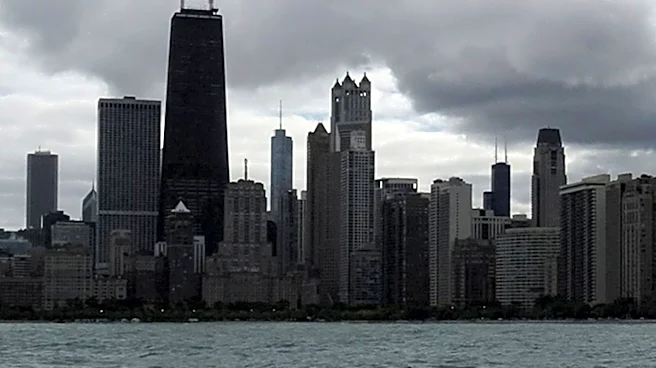
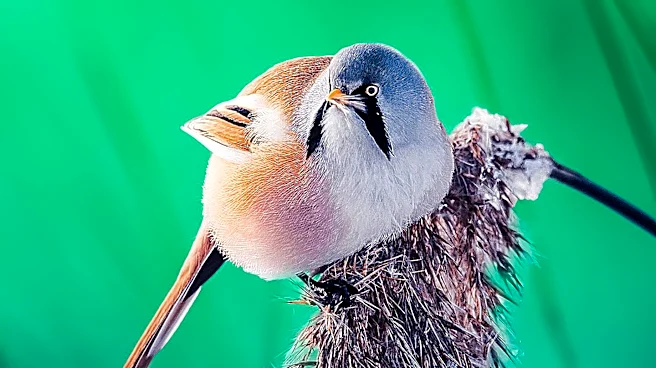
In 2019, the Mamby on the Beach music festival in Chicago was canceled due to the presence of a pair of federally endangered piping plover shorebirds, Monty and Rose, at Montrose Beach. These birds, which are protected under federal law, chose the beach
as their nesting site, prompting the cancellation to avoid disturbing their habitat. Monty and Rose became notable for their continued return to the area over three consecutive summers, where they successfully hatched chicks. Their presence has highlighted the importance of conservation efforts for endangered species in urban areas, drawing attention to the delicate balance between human activities and wildlife preservation.
Why It's Important?
The cancellation of the music festival underscores the significant impact that endangered species can have on local events and activities. It highlights the legal and ethical responsibilities to protect such species, even in bustling urban environments like Chicago. The presence of Monty and Rose has brought increased awareness to the plight of endangered species and the importance of preserving natural habitats. This situation serves as a reminder of the potential conflicts between development and conservation, emphasizing the need for careful planning and consideration of environmental impacts in urban settings. The story of Monty and Rose has also become a symbol of successful conservation efforts, inspiring similar initiatives across the country.
What's Next?
The continued presence of Monty and Rose and their descendants at Montrose Beach suggests ongoing conservation efforts will be necessary to ensure their protection. Local authorities and conservationists may need to implement further measures to safeguard the habitat, especially during nesting seasons. This could involve more stringent regulations on beach activities and increased public education campaigns to raise awareness about the importance of protecting endangered species. Additionally, the success of Monty and Rose could lead to increased funding and support for similar conservation projects, potentially influencing policy decisions at both local and national levels.