






What's Happening?
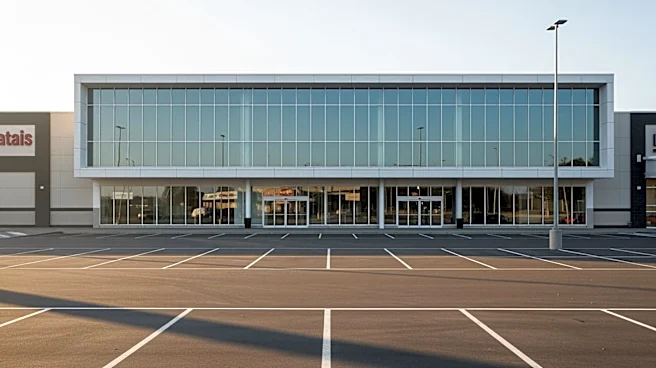
The city of Chicago is moving forward with plans to purchase the downtown Greyhound station, a critical hub for intercity bus travel. The Community Development Commission has approved two proposals to facilitate this acquisition, including expanding a tax
increment financing district to encompass the station. However, Alderman Bill Conway, whose ward includes the station, has expressed significant concerns about the lack of detailed plans regarding public safety, traffic management, and financial transactions. The station, currently owned by Twenty Lake Holdings, is seen as vital for maintaining Chicago's role in the national bus network. The city plans to invest $50 million in purchasing and refurbishing the station, but the final decision requires City Council approval, which is expected in June.
Why It's Important?
The acquisition of the Greyhound station is crucial for maintaining Chicago's status as a major intercity bus hub, which is essential for low-income travelers and the broader national bus network. The move reflects a growing trend of cities purchasing privately run bus stations to prevent deterioration and chaos, as seen in other cities like Philadelphia and Portland. The station's strategic location near Union Station offers significant opportunities for integrated travel solutions. However, the lack of detailed planning and the substantial financial investment required have raised concerns among city officials and stakeholders. The outcome of this acquisition could set a precedent for how cities manage and integrate critical transportation infrastructure.
What's Next?
The City Council is expected to vote on the acquisition in June. Alderman Conway has indicated he will push for comprehensive plans addressing public safety, construction, and operations before the vote. The city plans to develop an asset management plan informed by ongoing discussions about the site's redevelopment and operations. The decision will likely influence how other cities approach the management of critical transportation infrastructure, especially in the face of economic pressures and the need for sustainable urban development.