




What's Happening?
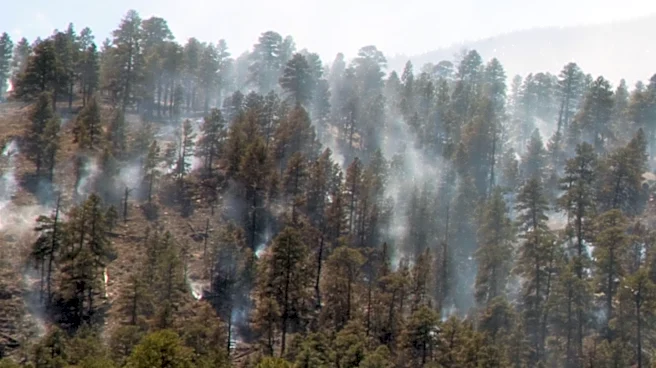
The Arbor Day Foundation's Impact Fund has made strategic investments in Vibrant Planet and Convective Capital, two organizations focused on developing technologies to mitigate wildfire risks. These investments signify an expansion of the Foundation's long-standing
commitment to forestry, moving beyond post-wildfire recovery to include prevention, early detection, and resilience technologies. Vibrant Planet is a public benefit corporation that creates data-driven planning tools for various stakeholders, including communities, governments, utilities, and land managers. Its platform integrates geospatial data, climate models, and treatment recommendations to pinpoint high-risk wildfire areas and prioritize forest management actions. Convective Capital operates as a venture fund specifically dedicated to wildfire resilience and climate adaptation technologies. Its portfolio encompasses companies working on a broad spectrum of solutions, such as wildfire prevention, early detection systems, vegetation management, grid resilience, emergency response, risk modeling, and community protection. According to Dan Lambe, CEO of the Arbor Day Foundation, wildfires are burning longer, hotter, and more frequently, making proactive solutions essential.
Why It's Important?
These investments are crucial for enhancing wildfire resilience across the U.S., particularly as fire seasons become more intense and prolonged. By supporting technologies that enable proactive measures, the Arbor Day Foundation aims to reduce the devastating impact of wildfires on communities, ecosystems, and infrastructure. Vibrant Planet's data-driven approach allows for more efficient allocation of resources, helping land managers and governments make informed decisions to protect vulnerable areas. Convective Capital's focus on a wide range of fire-tech solutions fosters innovation in critical areas like early detection and grid resilience, which can prevent fires from escalating and minimize damage. The shift from solely reactive recovery to proactive prevention and resilience is vital for safeguarding natural resources, ensuring water quality, and protecting human lives and property in fire-prone regions. This initiative also highlights the growing recognition that technological solutions are essential in addressing the complex challenges posed by climate change and its impact on wildfire frequency and severity.
What's Next?
The Arbor Day Foundation plans to continue leveraging its Impact Fund to support companies and investment funds that are developing innovative technologies and approaches related to forest health, resilience, and restoration. Future investments will likely target areas such as land-use management, climate and Earth data, forest carbon technologies, and other tree-related innovations. The ongoing development and deployment of tools from Vibrant Planet and the companies within Convective Capital's portfolio are expected to provide more sophisticated methods for identifying and mitigating wildfire risks. This could lead to improved coordination among various entities involved in land management and emergency response. As these technologies mature and are adopted more widely, there is potential for a significant reduction in the scale and impact of future wildfires, fostering healthier forests and more resilient communities across the U.S. The success of these investments will likely be measured by their ability to demonstrably reduce acres burned and protect critical infrastructure.
Beyond the Headlines
The Arbor Day Foundation's strategic shift towards investing in wildfire prevention technology reflects a broader understanding of the evolving nature of environmental threats. This move underscores the ethical imperative to move beyond mere restoration and embrace proactive measures to protect natural ecosystems and human settlements. The integration of geospatial data and climate models into wildfire management signifies a paradigm shift towards more scientifically informed and predictive approaches, moving away from reactive firefighting. This also highlights the increasing role of private investment and philanthropic organizations in addressing large-scale environmental challenges that traditionally fall under government purview. The long-term implications include the potential for a more integrated and technologically advanced approach to land management, where data-driven insights guide conservation efforts and infrastructure protection. This could also foster greater collaboration between technology developers, environmental organizations, and governmental agencies, creating a more robust and adaptive framework for managing wildfire risks in a changing climate.