









What's Happening?
A mother accused Mead Johnson, an infant formula manufacturer, of causing her baby's death due to necrotizing enterocolitis (NEC). The company concluded there was no reasonable possibility that their formula caused the death and closed the investigation.
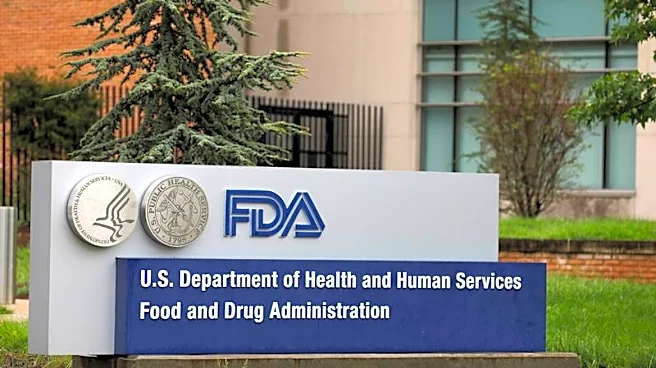
This decision highlights the broader issue of how manufacturers handle adverse event reports, with federal rules requiring investigation only if a causal relationship is found. The FDA has not received any notifications of such events from manufacturers, raising concerns about transparency and safety in the infant formula industry.
Why It's Important?
The case raises significant concerns about the safety and regulation of infant formula, particularly for preterm infants. The lack of public reporting and stringent investigation requirements for adverse events in the formula industry contrasts with more rigorous standards for drugs and medical devices. This situation could lead to calls for regulatory reforms to ensure better oversight and protection for vulnerable populations. The case also highlights the potential for legal action against manufacturers, as seen in ongoing lawsuits alleging harm from infant formulas.
What's Next?
The FDA may face pressure to review and potentially revise its regulations on adverse event reporting for infant formulas. Consumer advocacy groups and healthcare professionals may push for greater transparency and accountability from manufacturers. The ongoing lawsuits against formula companies could lead to significant legal and financial consequences for the industry. Public awareness and concern about infant formula safety may increase, prompting further scrutiny and potential policy changes.