







What's Happening?
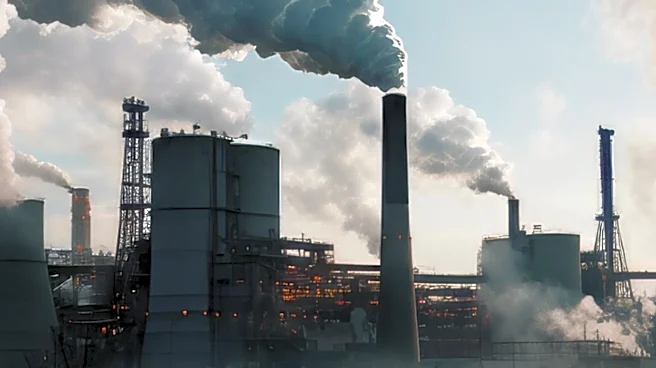
A recent article highlights the urgent need for a shift in mindset towards environmental protection, emphasizing the role of corporate polluters in the climate crisis. The piece argues that the world's largest corporate polluters have historically contributed
significantly to greenhouse gas emissions, with the top 25 responsible for nearly 700 gigatons of CO2 emissions since 1854. Despite this, countries like the U.S., China, and India continue to support fossil fuel industries, exacerbating pollution at every stage of the fossil fuel lifecycle. The article calls for holding these corporations accountable through legal and regulatory means, and for citizens to adopt a proactive stance in demanding environmental justice.
Why It's Important?
The call for a new environmental mindset is crucial as it addresses the systemic issues of corporate accountability and regulatory oversight in the fight against climate change. By highlighting the disproportionate impact of a few major polluters, the article underscores the need for stringent regulations and legal frameworks to curb emissions and protect natural resources. This shift is vital for sustainable development and the preservation of ecosystems, which are essential for human survival. The article also points out the potential for grassroots movements and individual actions to influence policy and corporate behavior, suggesting that collective action can drive significant change.
What's Next?
The article suggests that future efforts should focus on increasing transparency and accountability for corporate polluters, potentially through legislative measures and public advocacy. It also highlights the importance of continued funding for environmental restoration projects and the need for international cooperation to achieve global conservation goals. The piece calls for citizens to engage in political processes, such as voting for leaders who prioritize environmental policies, to ensure that climate action remains a top priority on the political agenda.
Beyond the Headlines
The deeper implications of this call to action include a potential shift in economic priorities, where sustainable practices become integral to business operations. This could lead to innovations in clean energy and a reduction in reliance on fossil fuels. Additionally, the article touches on the ethical responsibility of corporations to mitigate their environmental impact, which could influence corporate governance and investor decisions. The cultural shift towards valuing environmental stewardship over short-term profits could redefine success in the corporate world.