
What's Happening?
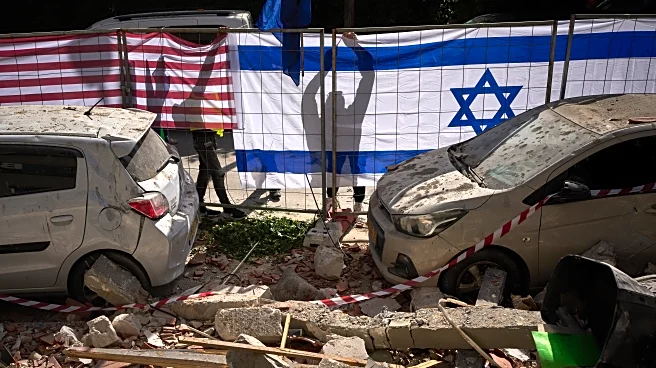
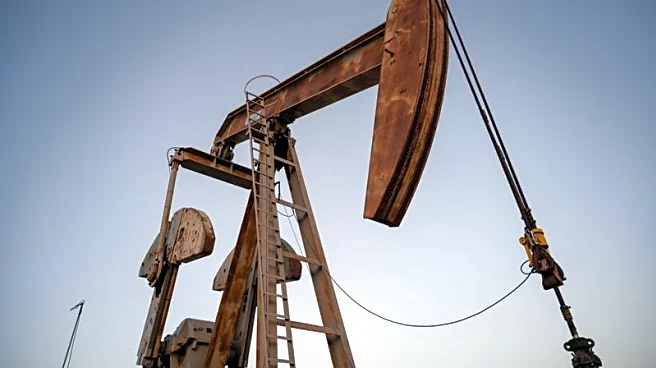
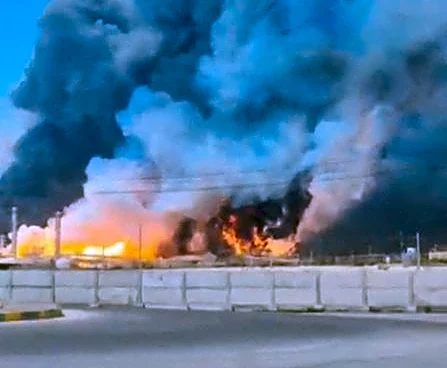
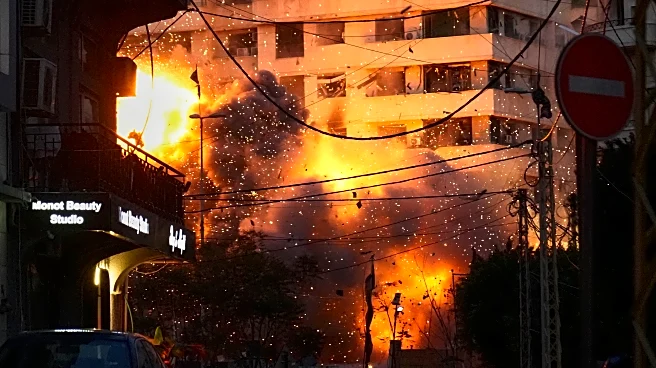
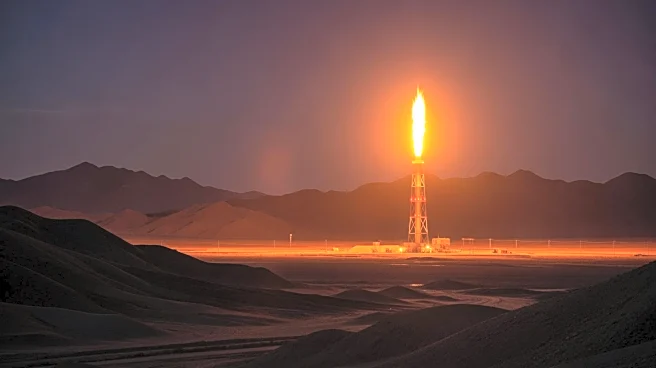
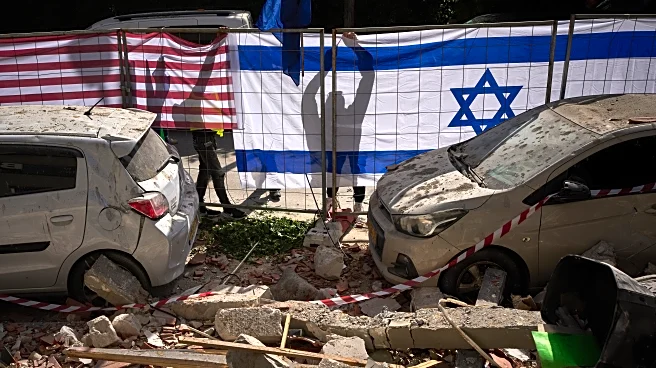
President Trump has threatened to 'blow up' Iran's South Pars gasfield if Tehran retaliates against Qatar following Israeli strikes on the gasfield. This development follows a series of escalations in the Middle East, where Israel targeted Iran's gasfield and
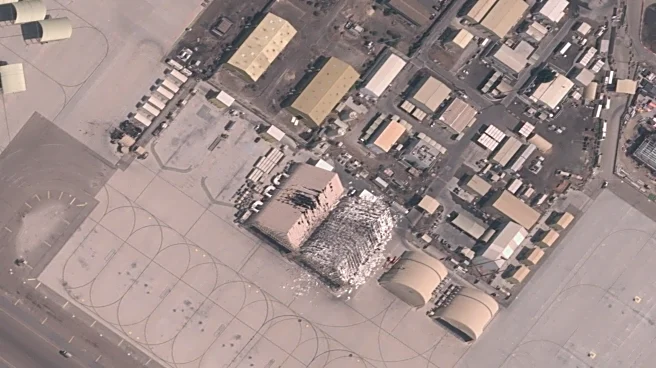
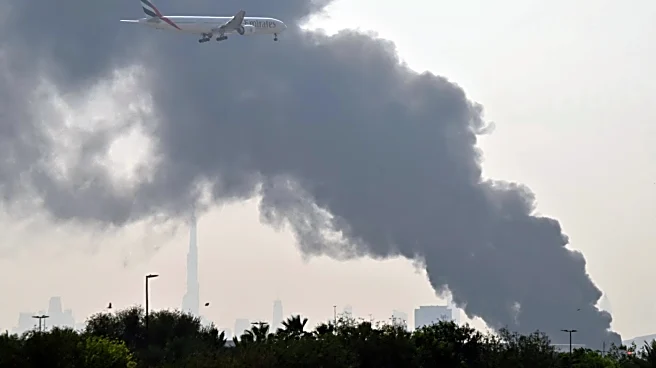
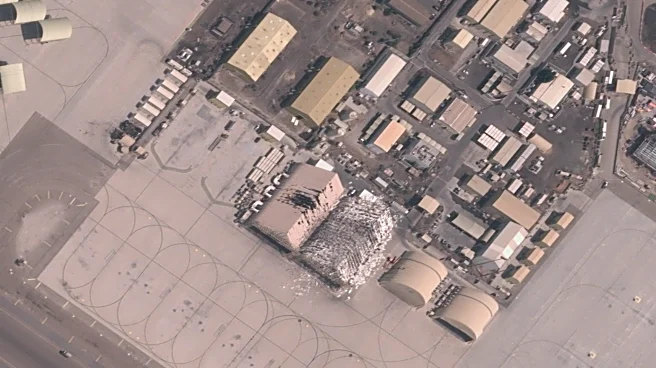
bombarded Beirut. In response, Iran launched attacks on energy facilities across the region, including Qatari LNG facilities. This marks a significant escalation as it involves direct attacks on fossil fuel production sites, rather than general oil and gas industry locations.
Why It's Important?
The situation underscores the volatility in the Middle East and its potential impact on global energy markets. The threat to a major gasfield could disrupt energy supplies, leading to increased prices and economic instability. The involvement of President Trump highlights the geopolitical stakes and the potential for further military engagements. This escalation could strain U.S. relations with Middle Eastern allies and impact diplomatic efforts in the region. Energy-dependent economies may face challenges as they navigate the implications of disrupted supplies and heightened tensions.
What's Next?
The international community may call for diplomatic interventions to de-escalate tensions and prevent further military actions. Energy markets will likely remain volatile, with potential price fluctuations as stakeholders assess the risk of supply disruptions. Countries involved may seek to bolster their defenses and engage in strategic alliances to protect their interests. The U.S. may face pressure to clarify its stance and actions in the region, potentially influencing future foreign policy decisions.