
What's Happening?
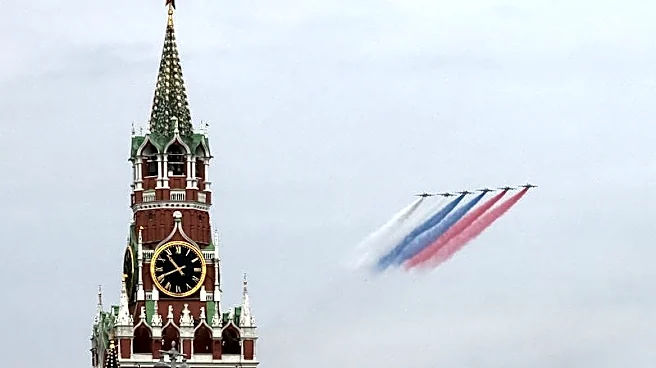
The Kremlin has announced that Russian President Vladimir Putin is open to negotiations with European countries, but he expects them to initiate the dialogue. This development follows the collapse of relations
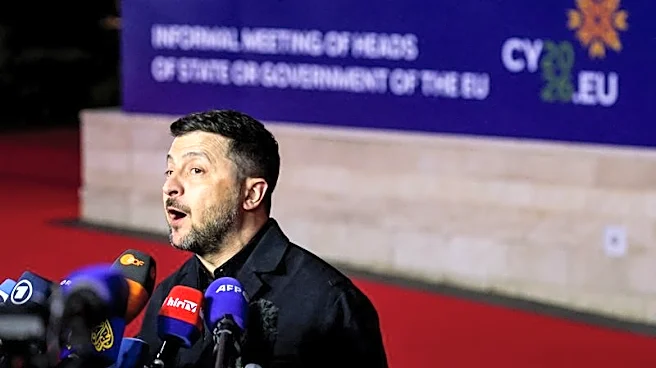
after Russia's full-scale invasion of Ukraine. Kremlin spokesman Dmitry Peskov stated that Russia is not responsible for the reduction of ties with Europe to zero and emphasized that the initiative for dialogue should come from Brussels and individual European capitals. This statement comes amid Russia's recent territorial losses and economic challenges, including manpower attrition and falling oil revenues due to Ukrainian strikes. European Council President António Costa has indicated that the European Union sees potential for future negotiations with Putin, although no concrete signs from Russia have been observed yet.
Why It's Important?
The potential for renewed dialogue between Russia and European countries is significant as it could lead to a de-escalation of tensions in the region. The ongoing conflict in Ukraine has had widespread implications, including economic sanctions on Russia and increased military aid to Ukraine from European nations. A shift in Russia's stance could open the door for diplomatic solutions, potentially easing economic pressures on Russia and stabilizing the region. However, the success of such negotiations would depend on the willingness of both sides to compromise on key issues, such as territorial disputes and security concerns.
What's Next?
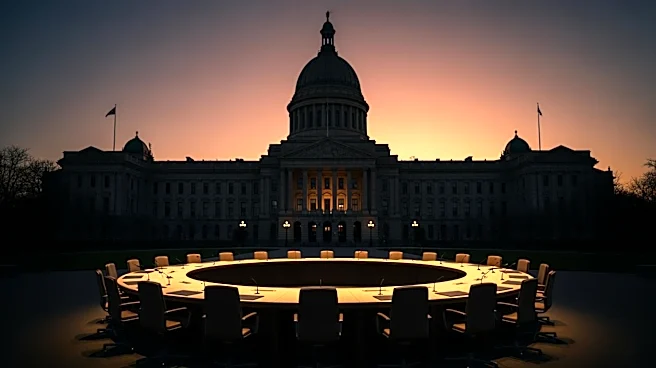
If European countries decide to initiate talks, it could lead to a series of diplomatic engagements aimed at resolving the conflict in Ukraine. The European Union, under the leadership of António Costa, is preparing for possible negotiations and consulting with member states to organize a cohesive approach. The outcome of these discussions could influence the broader geopolitical landscape, affecting alliances and economic policies. Additionally, the response from Ukraine and its allies, including the United States, will be crucial in shaping the future of these negotiations.