






What's Happening?
Illinois' initiative to transform old coal plant sites into solar and battery farms has faced significant hurdles. The Coal to Solar and Energy Storage Initiative, launched five years ago, aimed to utilize existing grid infrastructure and land from closed
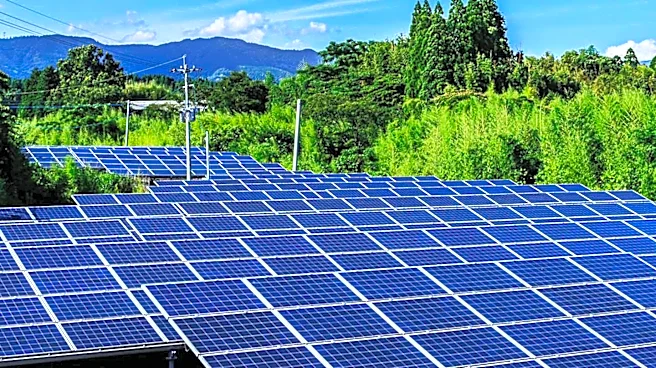
coal plants to boost clean energy deployment. However, a report by the University of Illinois' Climate Jobs Institute and Prairie Rivers Network reveals that only three small solar farms with storage were developed, falling short of the program's goals. Factors such as inflation, supply chain issues, and inadequate financial incentives have hindered the program's success.
Why It's Important?
The challenges faced by Illinois in this initiative highlight the complexities of transitioning from fossil fuels to renewable energy. The program's shortcomings underscore the need for flexible incentive structures that can adapt to changing market conditions. The failure to fully realize the program's potential also points to broader issues in the clean energy transition, such as the difficulty in replacing jobs and tax revenue lost from coal plant closures. These insights are crucial for future policy-making and for other states considering similar transitions.
What's Next?
Despite the setbacks, there is potential for future development of renewable energy on former coal sites. Illinois has other incentive programs that could support solar and storage projects, and lessons learned from this initiative could inform more effective strategies. The state is also pursuing new energy laws to subsidize utility-scale storage arrays, aiming to attach 3 gigawatts to the grid by 2030. These efforts reflect a continued commitment to clean energy, with the hope of overcoming current challenges and achieving long-term sustainability goals.