
What's Happening?
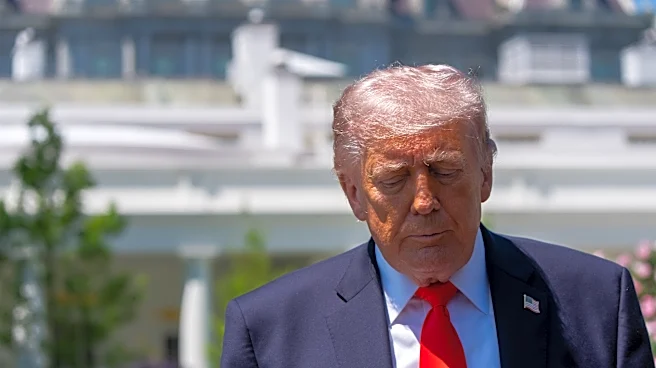
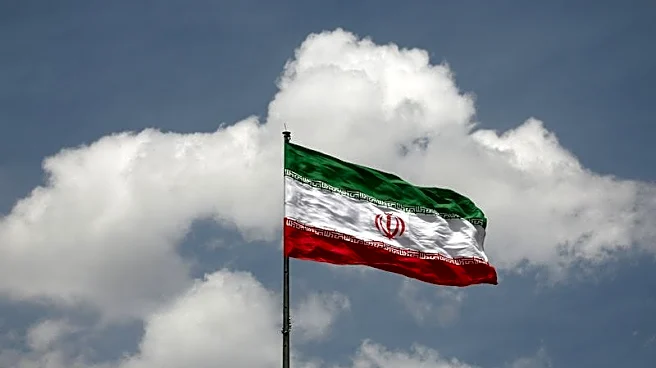
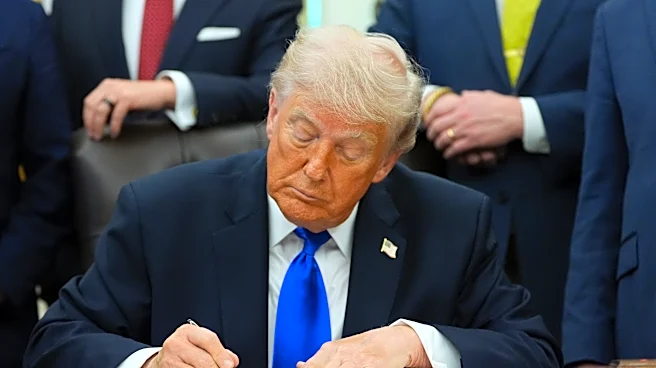
As the Iran war reaches its 60th day, Congress has not taken action to authorize or end the conflict, despite the War Powers Resolution deadline. President Trump notified Congress of military action on March
2, with airstrikes beginning two days earlier. The administration claims the war has 'terminated' due to a ceasefire, but thousands of U.S. service members remain deployed, and negotiations with Iran have stalled. The situation highlights Congress's inability to assert its constitutional role in declaring war, as the legislative body has not effectively challenged the administration's actions.
Why It's Important?
The lack of congressional action on the Iran war underscores the challenges of legislative oversight in U.S. military engagements. The War Powers Resolution was designed to ensure congressional involvement in decisions to go to war, but its effectiveness is questioned when Congress fails to act. This situation reflects broader issues of executive power and the balance of authority between the legislative and executive branches. The ongoing conflict and Congress's inaction may have implications for U.S. foreign policy, military strategy, and the role of Congress in future military decisions.
What's Next?
The administration may continue to pursue military and diplomatic strategies in Iran without congressional authorization, potentially setting a precedent for future conflicts. Congress may face pressure to assert its authority and address the legal and constitutional questions raised by the ongoing conflict. The situation could lead to legal challenges or legislative efforts to redefine the scope of executive power in military engagements. The outcome of these developments will likely influence U.S. foreign policy and the role of Congress in overseeing military actions.