





What's Happening?
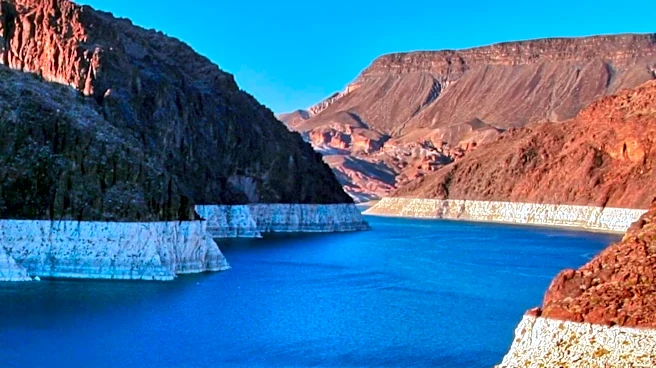
Denver Water has declared a Stage 1 drought due to reservoirs falling below seasonal averages, marking the fifth such declaration since 2000. The snowpack in the Colorado River Basin and South Platte River Basin peaked at significantly low levels, leading
to reduced runoff and streamflows. As of early July, Denver's reservoirs were only 79% full, compared to the historical average of 97%. The utility is urging a 20% reduction in water use and has implemented temporary drought pricing. Mandatory watering restrictions are in place, limiting outdoor irrigation to two days per week.
Why It's Important?
The drought declaration in Denver highlights the ongoing challenges of water management in the face of climate change and reduced snowpack. The restrictions and conservation measures are crucial to preserving water supplies and preventing more severe restrictions. This situation affects not only residential water use but also agricultural and industrial sectors that rely on water from these basins. The economic implications are significant, as water scarcity can impact crop yields, increase costs for water-dependent industries, and strain municipal resources.
What's Next?
Denver Water is taking additional measures to conserve resources, including a hiring freeze and reviewing capital projects for deferral. The utility is exploring ways to increase water supplies through existing agreements. Residents are encouraged to adopt water-efficient practices and comply with watering restrictions. The situation will be closely monitored, with potential for stricter measures if conditions do not improve. Ongoing public awareness and adherence to conservation guidelines will be critical in managing the drought's impact.