







What's Happening?
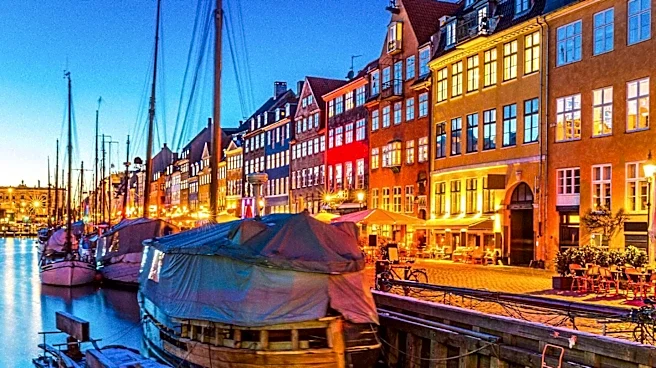
The Economist Intelligence Unit (EIU) has released its annual ranking of the world's most livable cities for 2026, with Copenhagen, Denmark, securing the top spot for the second consecutive year. The rankings evaluate 173 cities based on factors such
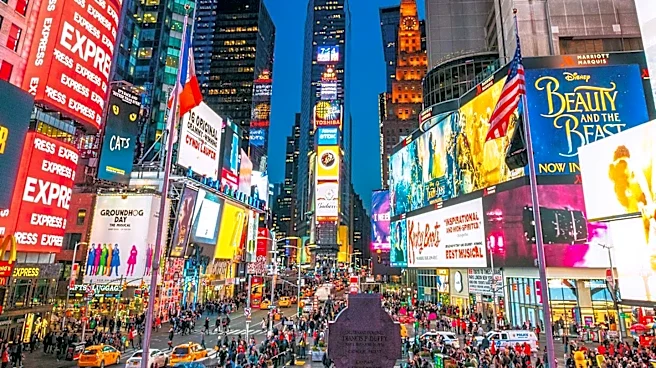
as education, stability, healthcare, infrastructure, and culture. Copenhagen achieved perfect scores in stability, infrastructure, and education, contributing to its leading position. Vienna, Austria, which previously held the top spot for three years, was ranked second. The report highlights improvements in New York City's stability score, attributed to reduced crime rates, which helped it rise to 66th place. Honolulu remains the highest-ranked U.S. city at 25th, despite a slight drop. The rankings also reflect geopolitical influences, with cities in the Gulf region experiencing declines due to regional conflicts.
Why It's Important?
The EIU's livability rankings are significant as they provide insights into urban quality of life, influencing decisions by businesses, expatriates, and policymakers. Copenhagen's top ranking underscores the city's effective public services and infrastructure, setting a benchmark for urban development. For U.S. cities, the rankings highlight areas for improvement, particularly in stability and public safety, as seen in New York's rise. The report also indicates a shift in global livability dynamics, with Asian cities improving due to enhanced healthcare systems. These rankings can impact economic decisions, such as investment and tourism, and guide urban planning strategies to enhance livability.
What's Next?
Cities worldwide may analyze the EIU's findings to identify areas for improvement and implement policies to enhance livability. U.S. cities, in particular, might focus on improving public safety and infrastructure to climb the rankings. The report could prompt increased investment in healthcare and public services in regions lagging behind. Additionally, geopolitical stability will continue to influence future rankings, as seen in the Gulf region's decline. Urban planners and policymakers may use these insights to foster environments that attract talent and investment, ultimately boosting economic growth and quality of life.