





What's Happening?
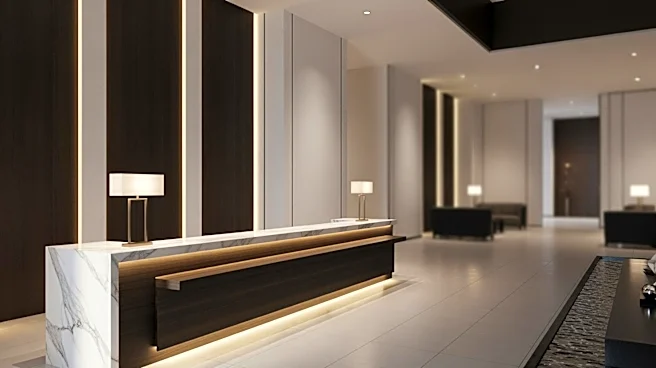
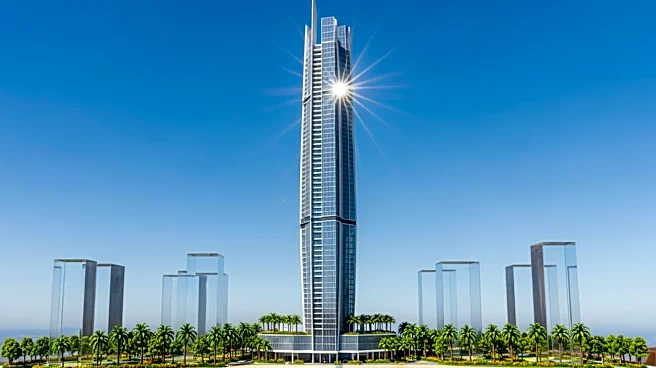
The Waldorf Astoria has opened a new luxury hotel in Rabat-Salé, Morocco, located in the iconic Mohammed VI Tower, the tallest building in the country. This 55-room hotel combines the classic elegance of the Waldorf Astoria brand with the rich cultural
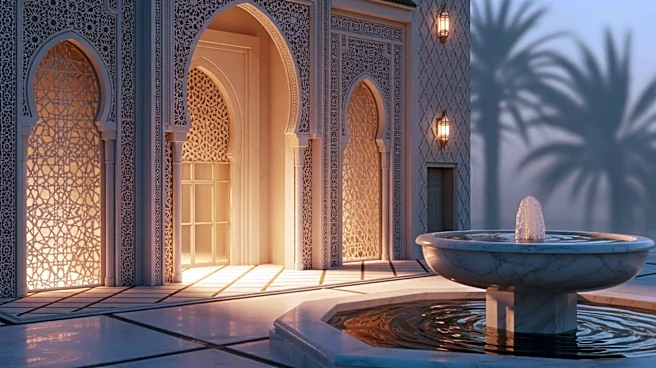
heritage of Morocco. The hotel offers panoramic views from the Bouregreg River to the Atlantic Ocean and features celestial motifs throughout its design. Guests can enjoy five distinctive dining experiences, a serene spa, and one of North Africa's largest private art collections. The hotel also provides nearly 1300 square meters of event space, making it a prime location for hosting various events.
Why It's Important?
The opening of the Waldorf Astoria in Rabat-Salé signifies a significant investment in Morocco's luxury hospitality sector, potentially boosting tourism and the local economy. By blending luxury with cultural elements, the hotel aims to attract high-end travelers seeking unique experiences. This development could enhance Morocco's reputation as a destination for luxury tourism, drawing visitors from around the world. The hotel's extensive art collection and cultural offerings may also promote cultural exchange and appreciation, further enriching the travel experience in the region.
What's Next?
As the hotel begins operations, it is expected to attract a diverse clientele, including tourists, business travelers, and event organizers. The hotel's strategic location near UNESCO World Heritage sites and its proximity to Rabat-Salé International Airport could make it a preferred choice for international visitors. The Waldorf Astoria's entry into the Moroccan market may encourage other luxury brands to explore opportunities in the region, potentially leading to increased competition and further development in the hospitality sector.
Beyond the Headlines
The Waldorf Astoria's focus on integrating Moroccan cultural elements into its design and services highlights a growing trend in the hospitality industry towards offering culturally immersive experiences. This approach not only enhances the guest experience but also supports the preservation and promotion of local culture and traditions. Additionally, the hotel's commitment to luxury and personalized service may set new standards for hospitality in the region, influencing future developments and customer expectations.