







What's Happening?
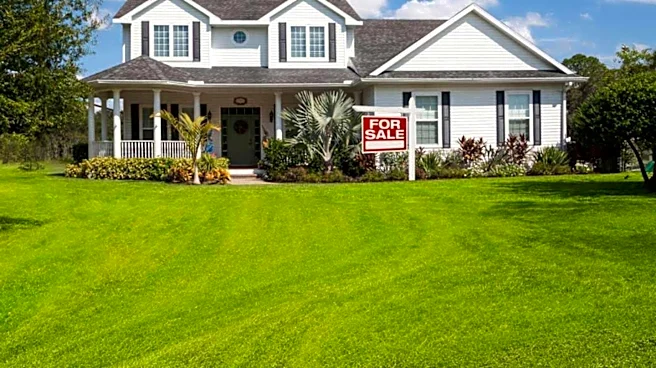
HUD homes are residential properties owned by the U.S. Department of Housing and Urban Development (HUD) due to the previous owner defaulting on an FHA-insured mortgage. When a borrower with an FHA loan stops making payments, the lender forecloses, and HUD reimburses
the lender, taking title to the property. HUD then resells these homes to recover its loss, operating with a motivation to move properties efficiently rather than maximize profit. These homes are sold 'as-is,' meaning HUD will not undertake repairs or negotiate on property condition before closing. Sales are conducted through a sealed-bid process via HUD-registered real estate agents during defined listing periods, differing from traditional negotiations. Properties are listed on HUD’s official marketplace. A key feature is an exclusive 30-day window for owner-occupants, nonprofits, and government agencies to bid before investors are allowed, providing a significant advantage for those planning to live in the home. While often priced below market value, buyers must be prepared for potential repair costs and strict deadlines.
Why It's Important?
HUD homes represent a crucial pathway to affordable homeownership, particularly for first-time buyers and those with limited budgets. The 'as-is' nature and sealed-bid process, while offering potential discounts, also present unique challenges and risks. The owner-occupant priority window is a significant policy mechanism designed to promote homeownership among individuals and families, shielding them from direct competition with cash-rich investors during the initial bidding phase. This policy aims to stabilize communities by increasing owner-occupancy rates. However, the lack of seller disclosures and HUD's refusal to make repairs mean buyers must factor in substantial potential renovation costs, which can be a barrier for some. The need for specialized financing, such as an FHA 203(k) loan, which combines purchase and renovation costs, highlights the specific financial planning required for these properties. Understanding these pros and cons is vital for potential buyers to avoid unexpected expenses and ensure a successful purchase, ultimately impacting individual financial stability and community development.
What's Next?
Prospective buyers of HUD homes should prioritize getting pre-approved for financing, ideally an FHA 203(k) loan, given that conventional lenders may be hesitant to finance 'as-is' properties. Engaging a HUD-registered real estate agent is essential, as only they can submit bids. Buyers must actively search HUD's official marketplace and conduct thorough inspections with contingencies immediately after bid acceptance, as HUD provides minimal disclosures. Adhering to tight, unforgiving deadlines for paperwork and closing, typically within 30 to 60 days, is critical to avoid losing the property and earnest money. After closing, buyers should anticipate and budget for potential repairs, as all maintenance responsibilities fall to the new owner. Considering a home warranty is a practical step to hedge against unexpected system and appliance failures. For investors, the bidding process opens after the owner-occupant window, with different financing considerations and a need for a wider repair contingency due to limited property access before bidding. Owner-occupant fraud carries federal penalties, requiring buyers to certify they will live in the property for at least a year.
Beyond the Headlines
The system of HUD homes reflects a broader governmental effort to mitigate the fallout from mortgage defaults and promote housing stability. By reselling foreclosed properties, HUD aims to recover losses and, more importantly, reintegrate these homes into the housing market, often at accessible price points. This process implicitly addresses issues of housing affordability and community revitalization. The 'as-is' condition of these homes, while a financial risk, also creates opportunities for buyers willing to invest in renovations, potentially improving neighborhood aesthetics and property values over time. The emphasis on owner-occupancy through the exclusive bidding window highlights a policy preference for stable, long-term residents over speculative investment, aiming to foster stronger communities. However, the complexities of purchasing a HUD home, from specialized financing to the need for diligent inspections and repair planning, underscore the challenges faced by individuals navigating the affordable housing landscape. This system, therefore, serves as a critical, albeit complex, component of the U.S. housing policy framework.