




What's Happening?
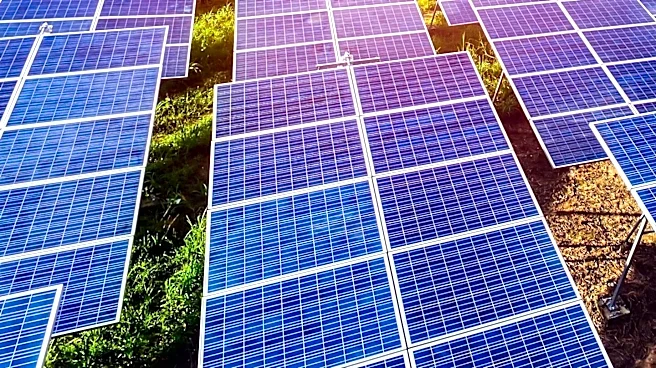
A proposed 4,700-acre solar farm, the Persimmon Energy Center, in North Calcasieu Parish, Louisiana, is encountering significant opposition from local residents and State Rep. Brett Geymann (R) of Lake Charles. Developed by Orion Renewable Energy Group,
the project aims to generate up to 1,000 megawatts of electricity and represents a $1.7 billion investment. However, residents and Geymann argue that the industrial-scale project threatens the rural and residential character of Moss Bluff, DeQuincy, and Gillis areas. Concerns primarily revolve around potential negative impacts on property values and the overall community aesthetic. Orion Renewable Energy Group maintains that the project site is in a rural area, far from residential parts of Moss Bluff, and that there is no evidence utility-scale solar projects with proper setbacks and vegetative screening negatively affect property values. The company also plans to offer a "Solar Neighbor Program" with direct payments to eligible homeowners within a third of a mile of solar panels and has committed to annual funding for local fire departments, recreation districts, and school organizations.
Why It's Important?
This situation highlights the growing tension between renewable energy development and local community concerns in the U.S. As the nation pushes for more sustainable energy sources, the siting of large-scale projects like solar farms often clashes with the interests of existing communities. The debate over property values, rural character, and the distribution of economic benefits from such projects is a recurring theme. While Orion projects substantial property tax revenue and job creation, residents prioritize the preservation of their community's current environment and property values. The legislative efforts by State Rep. Geymann to establish stricter statewide setback requirements for solar facilities underscore a broader movement to regulate the expansion of renewable energy infrastructure to mitigate local impacts. The outcome of this project could influence future solar development policies and community engagement strategies across Louisiana and potentially other states facing similar challenges.
What's Next?
As of now, Orion Renewable Energy Group has not filed an application, exception request, or zoning variance with Calcasieu Parish for the Persimmon Energy Center, though they expect to begin the process before the end of the year. State Rep. Geymann is drafting new legislation, including a proposed moratorium bill, to pause new solar development while the state re-evaluates its setback and siting standards. Residents are urged to engage in the upcoming zoning process to voice their concerns. The Calcasieu Parish Planning and Zoning Board will ultimately decide on the project's fate once an application is submitted. The company's "Solar Neighbor Program" and community funding commitments will be further detailed during the special exception process. The ongoing legislative efforts and local community engagement will be crucial in determining the future of this and similar renewable energy projects in Louisiana.
Beyond the Headlines
The conflict in North Calcasieu Parish reflects a broader national challenge in balancing environmental sustainability goals with local land use and community preservation. While solar energy is vital for reducing carbon emissions and transitioning to a green economy, the visual impact, potential property value depreciation, and alteration of rural landscapes are significant concerns for residents. This case also brings to light the varying effectiveness of community benefit programs offered by developers, such as direct payments and local funding, in assuaging local opposition. The legislative push for statewide setback requirements indicates a growing recognition that current regulations may be insufficient to address the scale and impact of modern renewable energy projects. The debate extends beyond economic benefits to questions of quality of life, environmental justice, and the democratic process in local land-use decisions, setting a precedent for how future large-scale renewable energy projects will be integrated into American communities.