






What's Happening?
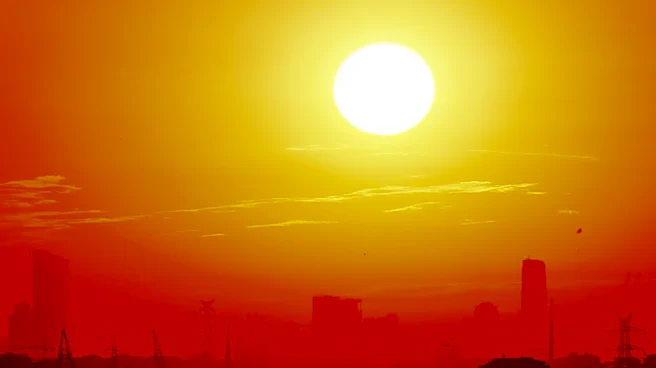
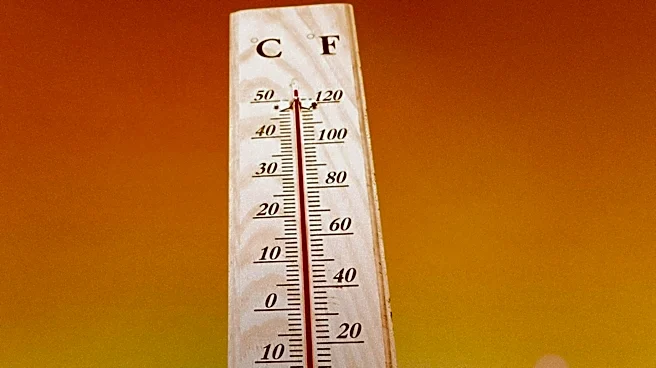
Columbus, Georgia, is currently experiencing a significant heatwave, with forecasts indicating high temperatures between 95 and 98 degrees. The heat index, which accounts for humidity, is projected to exceed 105 degrees, making conditions feel even hotter.
Heat alerts are in effect, and temperatures in the upper 90s are expected to persist through Friday. While there's a slight chance of isolated showers and storms, rain coverage is only around 20%. The oppressive humidity might see a slight break on Wednesday, potentially bringing 'feels like' temperatures closer to 100 degrees. This intense heat is attributed to a strong ridge of high pressure over the region, as reported by Tyler Allender.
Why It's Important?
The prolonged extreme heat in Columbus, Georgia, poses significant public health risks, particularly for vulnerable populations such as the elderly, children, and individuals with pre-existing health conditions. Heat index values consistently above 105 degrees can lead to heatstroke, heat exhaustion, and other severe heat-related illnesses, placing increased strain on local emergency services and healthcare facilities. The high temperatures also impact outdoor workers, potentially reducing productivity and necessitating safety measures to prevent heat-related incidents. Furthermore, increased energy consumption for air conditioning could strain the local power grid, leading to potential outages and higher utility costs for residents and businesses. The lack of significant cool-downs in the near future suggests a sustained period of elevated risk and discomfort for the community.
What's Next?
Residents of Columbus, Georgia, should prepare for continued extreme heat throughout the week, with highs remaining in the mid to upper 90s until Friday. Rain chances are expected to increase slightly towards the end of the week, with coverage potentially reaching 30 to 40% on Saturday as the ridge of high pressure shifts westward. However, no substantial cool-downs are anticipated in the immediate future. Local authorities may continue to issue heat advisories and open cooling centers to provide relief for residents. Individuals are advised to take precautions such as staying hydrated, seeking air-conditioned environments, and limiting outdoor activities during peak heat hours to mitigate health risks.
Beyond the Headlines
The recurring and intensifying heatwaves, like the one currently affecting Columbus, Georgia, highlight broader climate trends and their localized impacts across the U.S. These events underscore the growing need for robust public health infrastructure and community resilience strategies to cope with extreme weather. Beyond immediate health concerns, sustained high temperatures can affect local ecosystems, agricultural productivity, and water resources. The economic implications extend to increased demand for energy, potential disruptions to outdoor industries, and long-term infrastructure challenges. This situation serves as a microcosm of the larger national conversation around climate adaptation and the necessity for proactive measures to protect communities from the escalating effects of environmental changes.