



What's Happening?
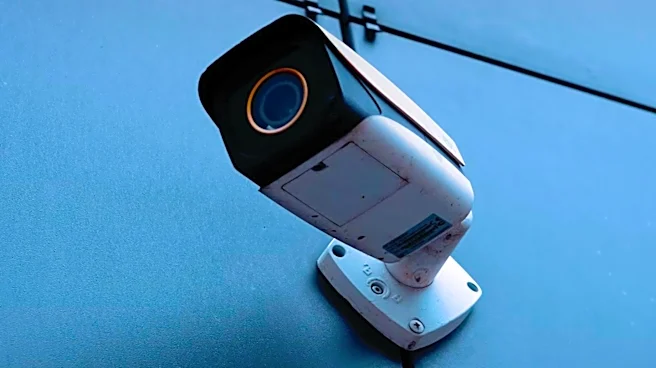
Utah Governor Spencer Cox has voiced significant concern regarding national reports of flock cameras being misused, specifically citing allegations of law enforcement officers using these surveillance tools for personal reasons, such as stalking ex-partners
or colleagues. During a recent monthly press conference, Governor Cox stated he is "deeply troubled" by these reports and believes Americans should be equally concerned about potential privacy violations. He emphasized that Utah has existing regulations designed to protect citizens' privacy and ensure these technologies are used only in extreme circumstances to safeguard life and safety. In response to the national reports and to address public concerns, Governor Cox has requested the state's privacy board and commission to conduct a comprehensive review of Utah's current rules and regulations pertaining to flock cameras and similar surveillance technologies. This review aims to identify any gaps in the existing legislation or enforcement practices.
Why It's Important?
The governor's directive for a review of flock camera regulations in Utah is important because it highlights a growing national debate over the balance between public safety and individual privacy rights in the age of advanced surveillance technology. Flock cameras, designed to track vehicles through license plate analysis for criminal investigations, are increasingly prevalent, and their alleged misuse raises serious questions about accountability and oversight. If law enforcement personnel are indeed using these tools for personal gain, it erodes public trust in institutions and could lead to widespread calls for stricter federal and state-level controls. The outcome of Utah's review could set a precedent for other states grappling with similar issues, potentially influencing future legislation on surveillance technology and data privacy across the U.S. It also underscores the need for robust ethical guidelines and training for officers utilizing such powerful tools.
What's Next?
Following Governor Cox's request, the Utah privacy board and commission are expected to initiate a thorough review of the state's regulations concerning flock cameras and other surveillance technologies. This review will likely involve examining current legislation, assessing enforcement practices, and potentially soliciting public input on privacy concerns. Depending on the findings, the state may propose additional legislation to strengthen privacy protections or clarify the permissible uses of these cameras. The governor indicated his support for new laws if existing gaps are identified. This process could lead to more stringent guidelines for law enforcement agencies, increased transparency regarding camera deployment, and enhanced accountability mechanisms to prevent future misuse. The results of Utah's review could also inform policy discussions in other states facing similar challenges with surveillance technology.
Beyond the Headlines
The controversy surrounding flock cameras extends beyond immediate privacy concerns, touching upon fundamental questions about the nature of surveillance in a democratic society. The alleged misuse by law enforcement officers highlights a broader ethical dilemma: how to leverage technological advancements for public safety without inadvertently creating tools for abuse or infringing on civil liberties. This situation could prompt a re-evaluation of the procurement and deployment processes for surveillance technologies, emphasizing the need for independent oversight and regular audits. Furthermore, it may fuel public demand for greater transparency from government agencies regarding their use of data-gathering tools. The long-term implications could include a shift towards more privacy-by-design approaches in technology development and a more informed public discourse on the societal trade-offs involved in pervasive surveillance.