

What's Happening?
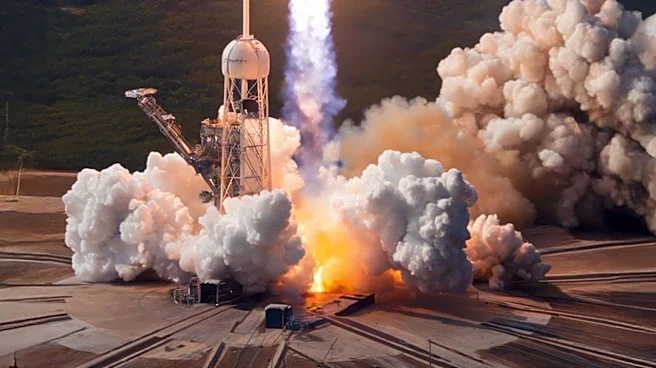
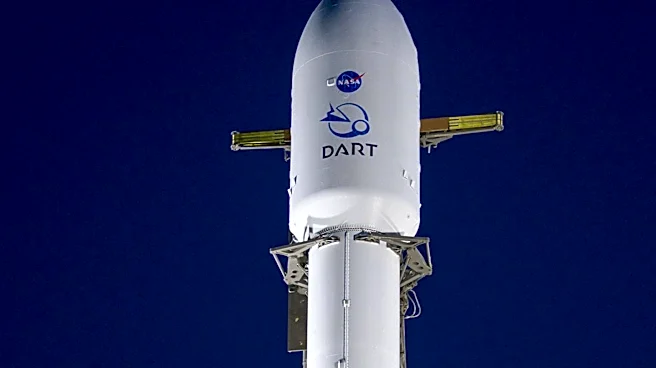
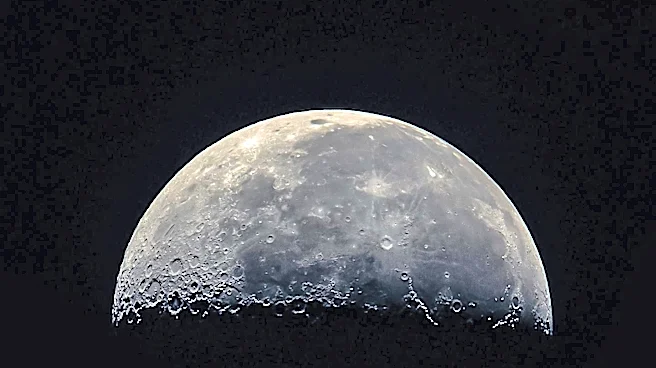
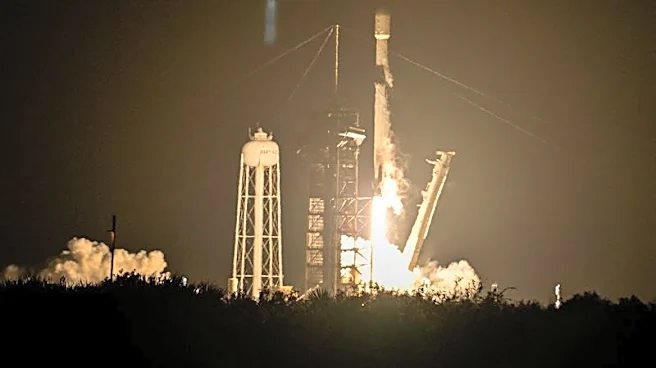
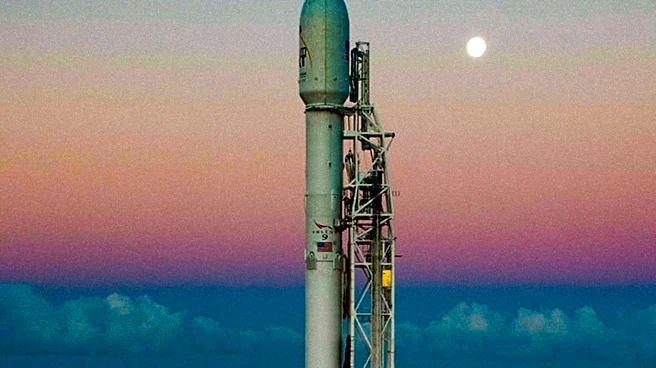
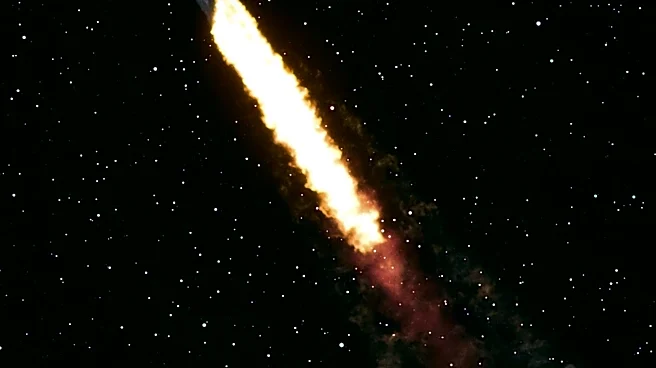
On August 5, 2026, the upper stage of a SpaceX Falcon 9 rocket is expected to crash into the Moon near the Einstein Crater. This event results from the rocket stage being caught in a highly elliptical orbit after a January 2025 launch. The impact will
create a new crater and eject a plume of lunar dust. The SkyMapper network is coordinating observations of the event, highlighting the growing issue of space debris management. This collision presents a unique opportunity for scientific observation and data collection.
Why It's Important?
The impending impact of the Falcon 9 rocket stage on the Moon underscores the increasing challenges of managing space debris. As human activity in space expands, the accumulation of debris poses risks to both current and future space missions. This event highlights the need for improved tracking and management of space objects to prevent potential collisions. The scientific community can leverage this event to study the effects of artificial impacts on the lunar surface, contributing to our understanding of lunar geology and the dynamics of space debris.
What's Next?
The SkyMapper network and other observatories will continue to monitor the impact and its aftermath, providing valuable data for scientific analysis. The event may prompt discussions among space agencies and policymakers about strategies for mitigating space debris and enhancing international cooperation in space traffic management. As space exploration and commercial activities increase, the development of sustainable practices for space debris management will be crucial to ensuring the safety and success of future missions.