


What's Happening?
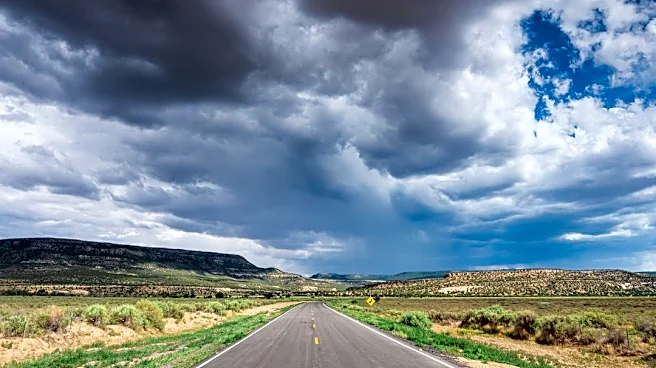
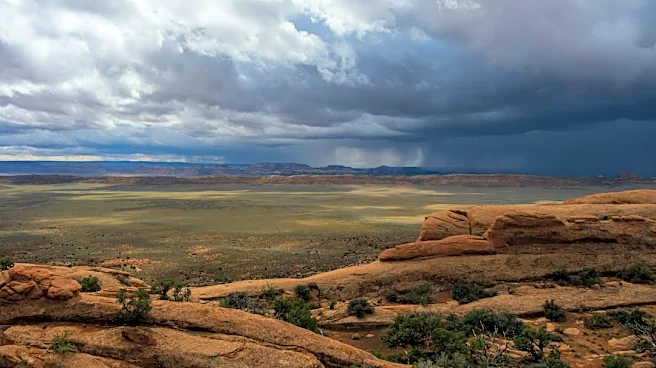
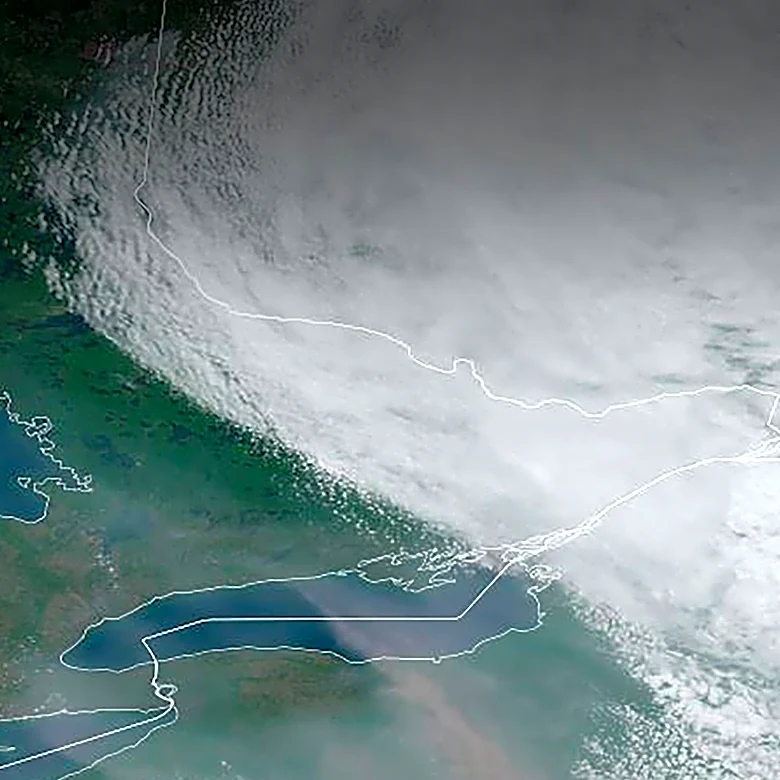
Desert cities across the U.S. Southwest are preparing for potentially record-setting flash floods as a powerful atmospheric river, known as a Pineapple Express, moves into the region. This comes after weeks of torrential downpours and severe thunderstorms
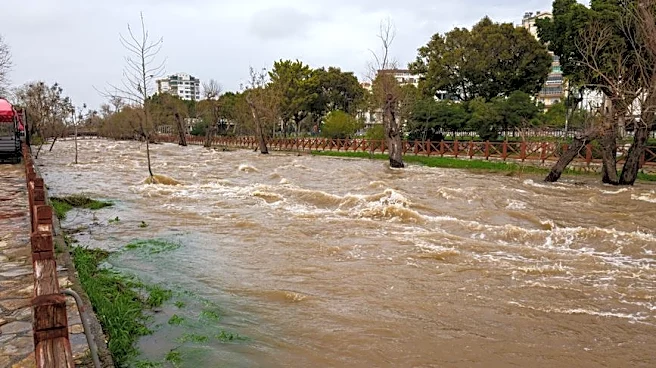
throughout October, which have already left the arid region saturated. Parts of the Southwest have received 200-300 percent of their normal rainfall over the past 60 days, with Flagstaff, Albuquerque, and Santa Fe experiencing their wettest-ever first two months of autumn on record. Widespread flash flood watches are in effect for Arizona, New Mexico, and parts of Nevada, Utah, and Colorado from Saturday night through early Monday morning, with 50-100+ mm of rain possible.
Why It's Important?
This prolonged and intense rainfall pattern is highly significant for the U.S. Southwest, a region typically characterized by arid conditions. The saturation of the ground from previous storms increases the risk of flash flooding, even with moderate additional rainfall, as the soil has limited capacity to absorb more water. Such extreme weather events can lead to widespread disruption, including damage to infrastructure, displacement of residents, and potential loss of life. The economic impact could be substantial, affecting local businesses, agriculture, and tourism. This pattern is also noted as a hallmark of strong El Niño events during cooler seasons, indicating a broader climatic influence on regional weather. The severity of this Pineapple Express, rated AR4 to AR5, signifies a mostly hazardous impact.
What's Next?
Residents in Arizona, New Mexico, Nevada, Utah, and Colorado are advised to prepare for heavy rain and potential flash floods through early Monday morning. Emergency services and local authorities will be on high alert, ready to respond to flood-related incidents. The NWS will likely issue specific Flash Flood Warnings as conditions develop, urging immediate action from affected communities. The focus will be on mitigating risks, ensuring public safety, and managing potential evacuations. Post-storm, cleanup and recovery efforts will be extensive, addressing any damage to homes, roads, and public utilities. The long-term implications of such intense rainfall on desert ecosystems and water management strategies will also need to be considered.
Beyond the Headlines
The unusual intensity and duration of rainfall in the U.S. Southwest highlight the increasing frequency of extreme weather events, which scientists often link to climate change. For desert environments, these events can have profound ecological consequences, altering landscapes, affecting water tables, and potentially impacting unique desert flora and fauna. The term 'Pineapple Express' itself points to a specific meteorological phenomenon that, when severe, can challenge existing infrastructure and emergency preparedness plans. This situation underscores the need for enhanced climate resilience strategies, including improved urban planning, water management systems, and early warning systems, to protect communities in regions facing new and intensified weather challenges.