








What's Happening?
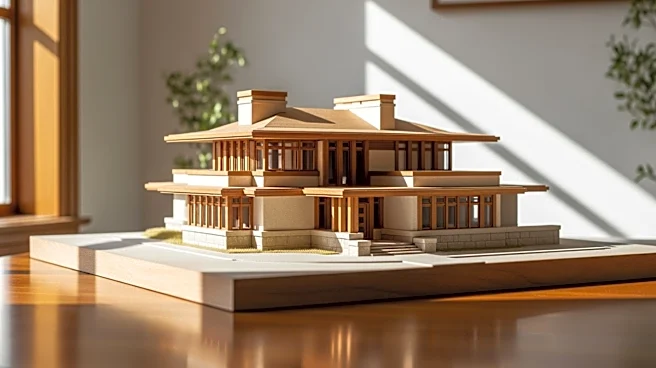
A historic property in Dunthorpe, Oregon, known as High Hatch Estate, has been listed for $5.29 million. Designed by architect William M. Whidden in 1901, the home is a prime example of Prairie School architecture, a style later popularized by Frank Lloyd
Wright. The estate, which served as Whidden's personal residence, features clean horizontal lines and flowing spaces that integrate with the natural surroundings. The property includes a restored carriage house, once used as a schoolhouse, and has been meticulously maintained and updated by its current owners. The estate is located on Military Lane, a prestigious street in Portland known for its architectural significance and proximity to the Riverdale School District.
Why It's Important?
The listing of High Hatch Estate highlights the enduring appeal and value of historic architecture in the real estate market. As a well-preserved example of Prairie School design, the property offers potential buyers a unique opportunity to own a piece of architectural history. The estate's location in a highly sought-after area underscores the demand for homes that combine historical significance with modern luxury. This trend reflects a broader appreciation for architectural heritage and the integration of historical properties into contemporary living spaces, which can influence real estate values and preservation efforts.
What's Next?
Potential buyers of High Hatch Estate will likely be drawn to its historical significance and architectural pedigree. The property's listing may attract interest from collectors of historic homes and those seeking a unique luxury residence. The sale could also prompt further interest in the preservation and restoration of similar properties in the area. As the real estate market continues to evolve, the demand for homes that offer both historical value and modern amenities is expected to grow, potentially influencing future listings and real estate development in the region.
Beyond the Headlines
The sale of High Hatch Estate may also spark discussions about the preservation of historic properties and the role of architecture in cultural heritage. The property's inclusion on the National Register of Historic Places highlights the importance of maintaining architectural integrity while adapting to modern living standards. This balance between preservation and modernization is a key consideration for homeowners and developers, influencing decisions about restoration, renovation, and new construction in historically significant areas.