







What's Happening?
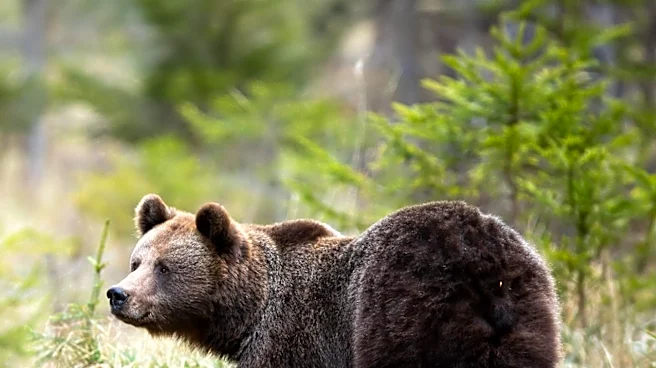
Bears across Japan are exhibiting increased activity ahead of winter, with poor acorn harvests in several prefectures, including Kyoto, Hyogo, Aichi, and Gunma, raising concerns that hungry animals may venture closer to human settlements and tourist areas
in search of food. Footage from Okoppe, Hokkaido, showed a large brown bear and its cub near a river, while another bear was seen entering a residence in Toyota, Aichi Prefecture. A road to Jizukiyama Park in Nagano was temporarily closed due to a bear sighting. Experts warn that while some regions like Tohoku have had abundant nut harvests, potentially leading to higher reproduction rates and delayed hibernation, the overall scarcity in other areas could drive bears into populated zones. Hotels and tourist attractions are implementing safety measures, such as bear deterrent alarms and bear bells on walking sticks, and some have purchased bear spray.
Why It's Important?
This situation in Japan offers a critical parallel for U.S. regions that experience similar ecological dynamics, particularly concerning bear populations and their foraging behaviors. In the U.S., fluctuations in natural food sources, such as acorns, berries, and salmon, directly influence bear movements and the likelihood of human-bear encounters. Poor harvests can lead to bears venturing into suburban and urban areas, increasing risks to public safety and property. This Japanese experience underscores the importance of proactive wildlife management, public education, and community preparedness in the U.S. It highlights the need for U.S. wildlife agencies to monitor natural food availability and issue timely warnings to residents and tourists in affected areas. The economic impact on tourism and local businesses, as seen with the closure of Arafune Cold Storage, is also a relevant concern for U.S. communities reliant on outdoor recreation.
What's Next?
Japanese authorities and local communities are implementing various measures to mitigate the risk of bear encounters. These include increased patrols with bear deterrent alarms, providing bear bells for visitors, and installing sound-emitting devices to repel bears. Hotels and businesses are also enhancing their safety protocols, such as keeping bear spray readily available. Experts like Takayoshi Yamauchi of Iwate University warn that even in areas with good harvests, bears might delay hibernation, leading to prolonged activity near settlements. This suggests that vigilance will need to be maintained throughout the autumn and potentially into early winter. The long-term outlook includes the possibility of increased bear cub populations in areas with good harvests, which could lead to more mother bears and cubs near human areas in subsequent years, necessitating ongoing adaptation of safety strategies.
Beyond the Headlines
The acorn shortage and subsequent increase in bear activity in Japan illuminate the intricate web of ecological factors that influence human-wildlife interactions. This situation is a stark reminder of how climate change and environmental shifts can disrupt natural food cycles, forcing wildlife into closer contact with human populations. The ethical implications of managing these conflicts are profound, requiring a balance between ensuring human safety and protecting wildlife. The proactive measures being taken, such as community engagement and technological deterrents, offer valuable lessons for U.S. communities grappling with similar challenges. This event also highlights the psychological impact on residents and tourists, fostering a sense of unease and requiring a shift in public perception and behavior towards wildlife. It underscores the need for comprehensive, long-term strategies that address both immediate safety concerns and the underlying ecological drivers of human-wildlife conflict.