



What's Happening?
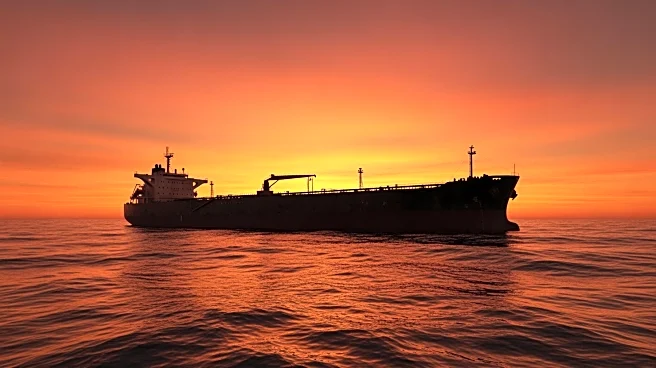
Oil tanker rates have increased by 467% this year due to disruptions in shipping routes and sanctions affecting commodity supply chains. The surge in rates is attributed to increased demand for alternative routes following U.S. sanctions on Russian oil
producers. LNG tanker rates have also risen significantly, with spot charter rates on the U.S. to Europe route reaching a two-year high. The market is experiencing inefficiencies, with shippers avoiding the Red Sea route due to Houthi activity, adding weeks to voyages. Despite the volatility, tanker owners are benefiting from high profits.
Why It's Important?
The dramatic rise in oil tanker rates highlights the impact of geopolitical tensions and sanctions on global trade and shipping. This situation affects the cost of transporting commodities, potentially leading to higher prices for oil and gas. The inefficiencies in the shipping market could disrupt supply chains, affecting industries reliant on these commodities. The increased costs may be passed on to consumers, impacting economic stability and inflation rates. The situation underscores the need for strategic planning and risk management in global trade and logistics.
What's Next?
The shipping industry will continue to navigate the challenges posed by geopolitical tensions and route disruptions. Stakeholders, including shipping companies and commodity traders, will need to adapt to the volatile market conditions. The first quarter of 2026 may see continued fluctuations in tanker rates, with potential shifts in global trade policies influencing the market. Industry leaders will likely explore alternative routes and strategies to mitigate risks and optimize operations. Monitoring developments in international relations and sanctions will be crucial for anticipating future market trends.