






What's Happening?
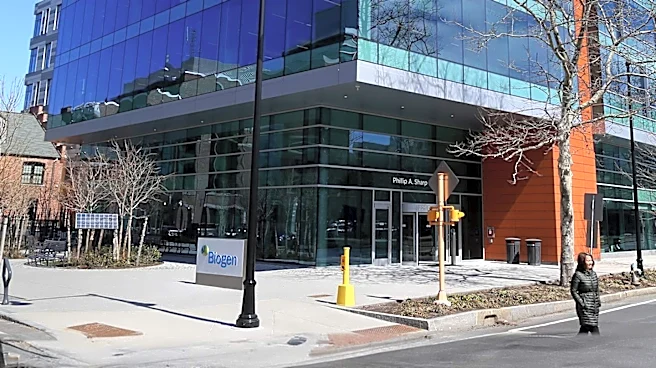
Biogen Inc. announced it will present new data from its Alzheimer's disease portfolio at the 19th Clinical Trials on Alzheimer's Disease (CTAD) Conference in November 2026. Key presentations will include expanded data from the Phase 2 CELIA study evaluating
diranersen (BIIB080), an investigational tau-targeting antisense oligonucleotide (ASO). This will feature 96-week long-term extension data and additional 76-week biomarker and clinical data. Furthermore, new analyses from studies of lecanemab (LEQEMBI®) will be highlighted, including initial five-year Clarity AD open-label extension data and three-year LEADER study data. These presentations will explore long-term treatment outcomes, real-world evidence, maintenance treatment strategies, and at-home subcutaneous administration of lecanemab. Biogen aims to showcase its ongoing commitment to advancing innovation in Alzheimer's disease treatment.
Why It's Important?
These presentations are significant for the Alzheimer's research community and patients, as they provide updated insights into potential and existing treatments. The data on diranersen, which targets tau protein accumulation, could offer a new therapeutic avenue for early Alzheimer's disease, complementing existing amyloid-targeting therapies. Long-term data for lecanemab, including real-world evidence and the potential for at-home subcutaneous administration, are crucial for understanding its sustained efficacy, safety, and practical implementation in clinical settings. Such information can influence treatment guidelines, patient access, and the overall management of Alzheimer's disease, potentially improving the quality of life for those affected and their caregivers. The focus on both amyloid and tau pathologies reflects a comprehensive approach to tackling the complex disease.
What's Next?
Following the CTAD 2026 presentations, the detailed data on diranersen will further inform its development pathway, potentially leading to larger clinical trials and regulatory submissions if results remain promising. For lecanemab, the long-term and real-world evidence will continue to shape its clinical use and potentially expand its approved indications or administration methods. The exploration of subcutaneous administration could significantly enhance patient convenience and adherence to treatment. Researchers and clinicians will analyze the presented data to refine treatment strategies and identify patient populations most likely to benefit. Biogen will likely continue its research and development efforts, aiming to bring more effective and accessible treatments to market for Alzheimer's disease.
Beyond the Headlines
The ongoing research and development in Alzheimer's treatments, as highlighted by Biogen's presentations, underscore the immense scientific and economic investment in combating this devastating disease. The dual focus on amyloid and tau pathologies reflects a growing understanding that Alzheimer's is a multifaceted condition requiring diverse therapeutic approaches. The push for more convenient administration methods, such as subcutaneous injections, also points to a broader trend in pharmaceutical development aimed at improving patient quality of life and reducing healthcare burden. However, the high cost of these advanced therapies and issues of equitable access remain critical considerations, raising questions about how these innovations will be integrated into healthcare systems globally and ensuring that all patients who could benefit receive treatment.