


What's Happening?
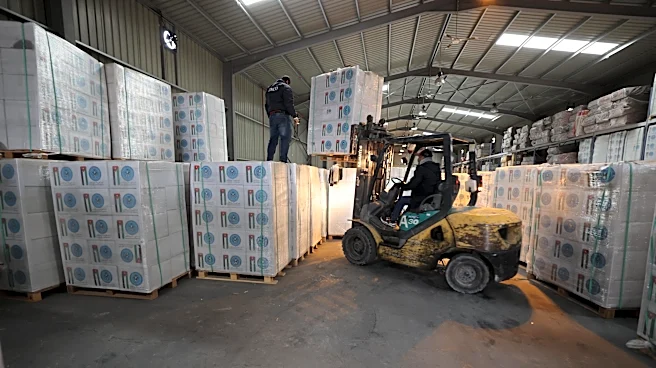
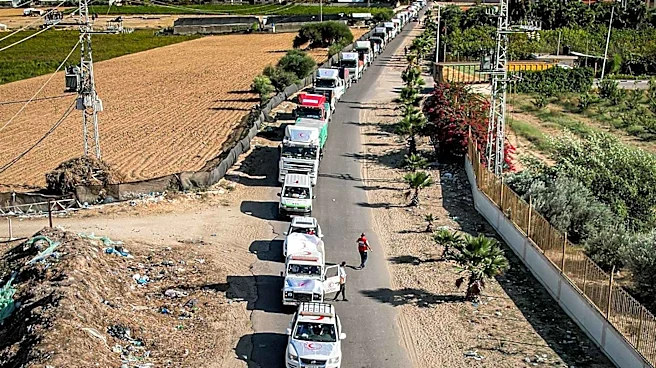
Israeli security officials reported on Sunday that 91,000 new tents have been delivered to Gaza as part of coordinated preparations for the upcoming winter season. This initiative aims to address the humanitarian needs of displaced Palestinians in the region.
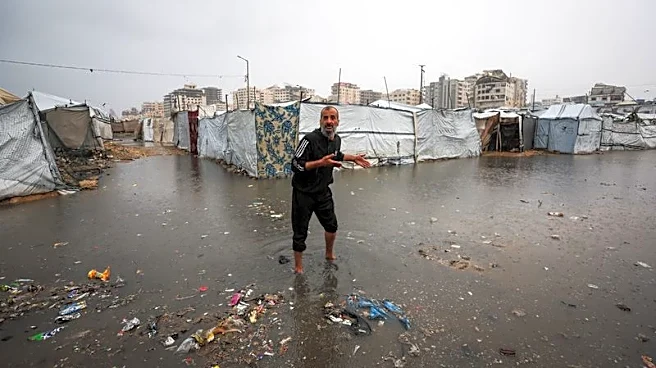
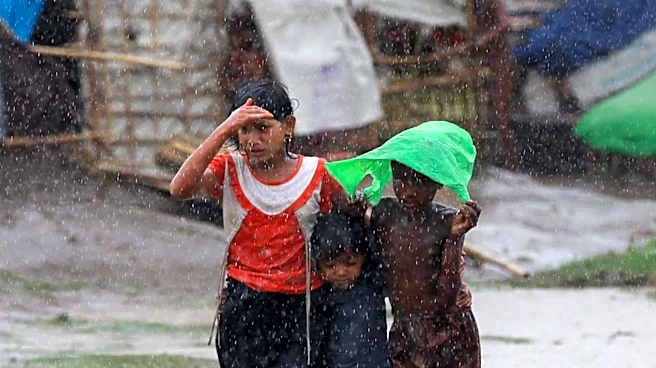
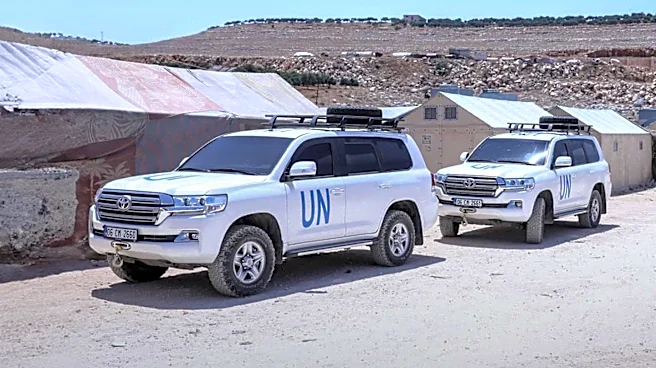
The officials stated that these preparations were coordinated by COGAT (Coordinator of Government Activities in the Territories) with the Board of Peace and the United Nations. In addition to the tents, the effort included the provision of tarpaulins for improved waterproofing and 9,000 truckloads of essential supplies such as clothing and blankets. COGAT is actively encouraging aid organizations and foreign governments to contribute further assistance. These statements come in response to accusations from Hamas, which has blamed Israel for the challenging conditions, including flooding, experienced in displacement camps. Israeli officials, however, maintain that equipment for Gaza's reconstruction and caravans will not be permitted as long as Hamas remains armed and the territory is not demilitarized. They accuse Hamas of diverting incoming aid to rebuild its military capabilities, asserting that the organization continues to arm itself and utilize civilian areas and equipment intended for reconstruction.
Why It's Important?
This development is important as it highlights the ongoing humanitarian crisis in Gaza and the complex dynamics between aid efforts and security concerns. The delivery of a significant number of tents and supplies underscores the urgent need for shelter and provisions for the displaced population, particularly with the onset of winter. The involvement of COGAT, the Board of Peace, and the United Nations indicates a coordinated international effort to address these needs. However, the Israeli officials' stance on restricting reconstruction materials due to Hamas's alleged diversion of aid introduces a critical point of contention. This position suggests that the broader rebuilding of Gaza remains contingent on demilitarization and security assurances, which could prolong the recovery process and exacerbate living conditions for residents. The accusations against Hamas for exploiting aid further complicate humanitarian operations and raise questions about the effective distribution and oversight of assistance in the region. This situation has direct implications for the well-being of civilians and the stability of the area, influencing international perceptions and diplomatic efforts related to the Israeli-Palestinian conflict.
What's Next?
The immediate next steps will likely involve the continued distribution and setup of the newly delivered tents and supplies to provide shelter for displaced Palestinians in Gaza. COGAT is expected to persist in its calls for additional contributions from aid organizations and foreign governments to meet the ongoing humanitarian demands. The Israeli security officials' position on restricting reconstruction equipment while Hamas remains armed suggests that large-scale rebuilding efforts will not commence in the near future. Decisions regarding wider reconstruction are stated to depend on the policy adopted by Israel's next government, indicating a potential delay in long-term recovery plans. This political uncertainty could further impact the timeline for addressing the extensive damage in Gaza. Hamas is likely to continue its accusations against Israel regarding the humanitarian situation, maintaining a narrative of Israeli responsibility for the conditions in displacement camps. The international community will likely monitor the situation closely, potentially increasing pressure on both sides to facilitate humanitarian aid and work towards a more sustainable solution for the region.
Beyond the Headlines
The delivery of tents and supplies to Gaza, while addressing immediate humanitarian needs, also underscores deeper ethical and political dilemmas. The Israeli officials' claim that Hamas is diverting aid for military purposes raises significant questions about accountability and the mechanisms for ensuring that humanitarian assistance reaches its intended beneficiaries. This situation highlights the challenge of providing aid in conflict zones where governing authorities are perceived as hostile or untrustworthy. Ethically, the denial of reconstruction materials due to security concerns, while understandable from a national security perspective, can prolong suffering and impede the long-term recovery of a civilian population. This creates a moral quandary for international aid organizations and donor countries, who must balance humanitarian imperatives with security considerations. Culturally, the ongoing displacement and destruction contribute to a cycle of trauma and instability, impacting the social fabric of Gaza. The reliance on temporary shelters like tents, even if new, signifies a lack of permanent solutions and reinforces a sense of precarity for the residents. This situation also reflects the broader geopolitical struggle, where humanitarian aid becomes intertwined with political leverage and security objectives, often at the expense of civilian welfare.