







What's Happening?
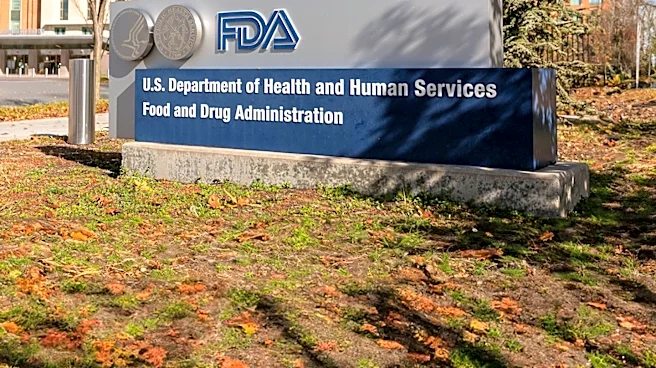
In a significant development for the U.S. sunscreen market, the Food and Drug Administration (FDA) officially added Bemotrizinol (BEMT) to the U.S. sunscreen monograph in June 2026. This approval marks the first new sunscreen active ingredient permitted
in the U.S. in over two decades. BEMT, also known by its chemical name bis-ethylhexyloxyphenol methoxyphenyl triazine or trade name Tinosorb S, is a broad-spectrum UV filter that effectively absorbs both UVB and UVA rays. It has been widely used in Europe since 2000. The FDA's decision, which took effect on August 9, 2026, allows BEMT to be used in sunscreens at concentrations up to 6% for adults and children aged 6 months and older. This approval was facilitated by the CARES Act of 2020, which created a faster regulatory pathway for new active ingredients.
Why It's Important?
The introduction of Bemotrizinol is poised to significantly impact the U.S. sunscreen industry and public health. For years, American sunscreen formulations have been limited to a short list of active ingredients, lagging behind European, Australian, and Japanese markets. BEMT offers stable, broad UVA protection that is photostable, meaning it does not break down easily under sun exposure. This is crucial as many existing U.S. UVA filters, like avobenzone, degrade quickly without stabilizers. Furthermore, BEMT is a large molecule, limiting its skin penetration and contributing to a favorable safety profile, with laboratory testing showing no estrogenic activity. This new ingredient will enable U.S. manufacturers to develop more effective and cosmetically elegant sunscreens, potentially reducing the white cast often associated with high concentrations of mineral filters like zinc oxide, while still providing robust UV protection.
What's Next?
The first U.S. sunscreens containing Bemotrizinol began appearing on shelves in the fall of 2026, primarily in daily face formulas from established skincare brands. More product launches are anticipated throughout 2027 as other brands complete their reformulation and testing processes. SolRX, for instance, plans to incorporate BEMT into its mineral line in early 2027. Consumers can expect to see a wider range of sunscreens offering enhanced broad-spectrum protection and improved textures. While BEMT is permitted across the U.S., it's important to note that local regulations in Maui County and Hawaii County still restrict sunscreens to only zinc oxide and titanium dioxide, meaning BEMT-containing products would not meet those specific rules.
Beyond the Headlines
The FDA's approval of Bemotrizinol represents a shift in the regulatory landscape for over-the-counter drugs, particularly sunscreens. For decades, the process for introducing new active ingredients was effectively stalled, leading to a disparity between U.S. and international sunscreen innovations. The successful navigation of the CARES Act's OTC Monograph Order Request pathway by BEMT could pave the way for other advanced UV filters to enter the U.S. market, fostering greater innovation and competition. This development also highlights the ongoing public health emphasis on effective sun protection, as improved sunscreen formulations can contribute to reduced rates of skin cancer and premature skin aging. The availability of more effective and user-friendly sunscreens could encourage greater compliance with daily sun protection recommendations.