
What's Happening?
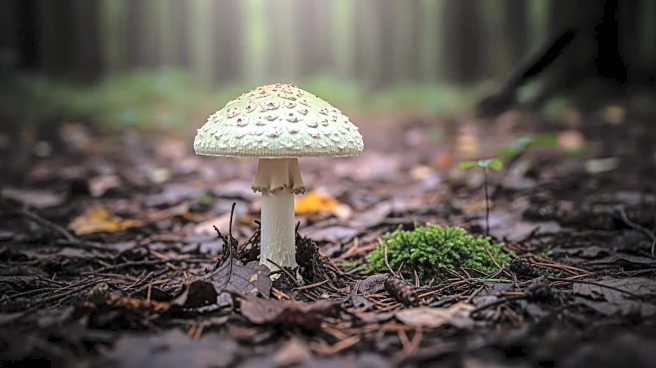
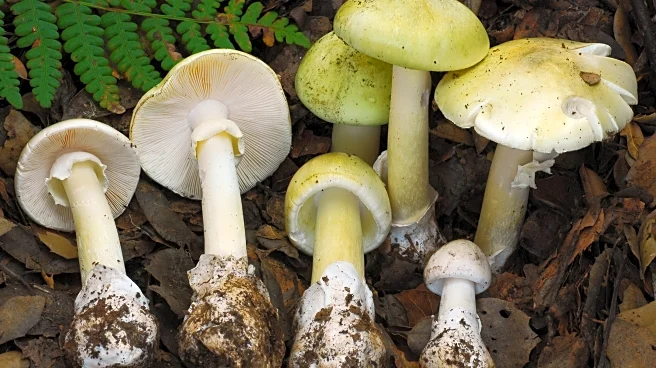
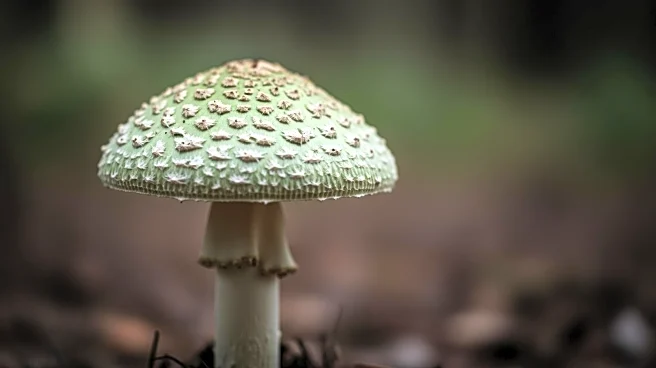
California is experiencing a surge in illnesses and fatalities due to the proliferation of death cap mushrooms, scientifically known as Amanita phalloides. The increase in these poisonous mushrooms is attributed
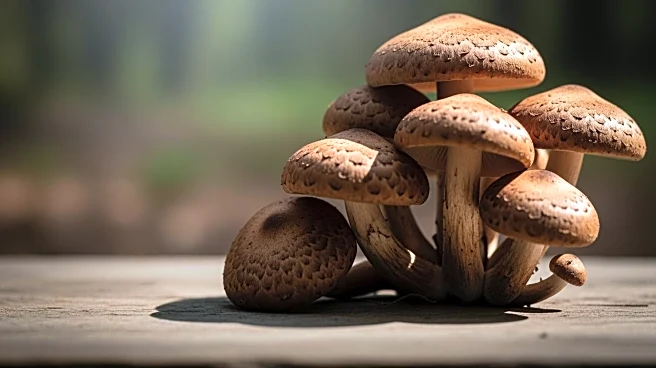
to an exceptionally wet December, leading to their spread along the Central Coast and Northern California. Public health officials have reported 39 cases of death cap-related illnesses, including four fatalities and three liver transplants, between November 18 and January 18. The mushrooms thrive in shady, humid environments, often under oak trees. Many affected individuals have been foraging for mushrooms, mistaking the death cap for edible varieties. The California Department of Public Health has issued warnings against foraging for wild mushrooms, emphasizing the severe health risks associated with consuming death caps.
Why It's Important?
The rise in death cap mushroom-related incidents highlights significant public health and safety concerns in California. The situation underscores the need for increased public awareness and education about the dangers of foraging for wild mushrooms. The health crisis also places a strain on medical resources, as severe cases require intensive medical interventions, including liver transplants. The demographic most affected includes individuals from diverse linguistic backgrounds, indicating a need for multilingual public health campaigns. The ongoing issue could lead to policy changes regarding public health advisories and foraging regulations to prevent further incidents.
What's Next?
Public health officials are likely to continue monitoring the situation closely and may implement more stringent measures to prevent further incidents. This could include increased distribution of educational materials in multiple languages and collaboration with local organizations to raise awareness. There may also be discussions on regulatory measures to control mushroom foraging in affected areas. The state may consider partnerships with mycological societies to provide safe foraging education and resources to the public.