







What's Happening?
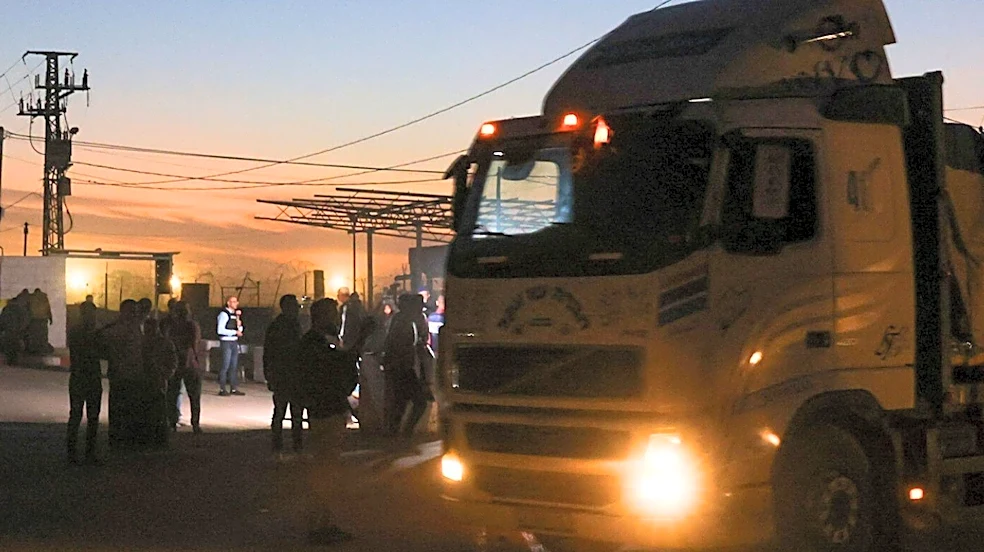
Kosovo Police, in collaboration with Customs units, intercepted a Mercedes truck suspected of smuggling seven heads of cattle from Serbia. The incident occurred in the Desivojcë-Sedllar border area, within the municipality of Kamenica, as part of the Operational
Plan 'Action Readiness 2026'. The truck, believed to have entered Kosovo via mountain roads, was stopped after operational intelligence led border police units to the location. The driver of the truck fled the scene, abandoning the vehicle and the cattle. Following investigations, police identified a stable in the village of Muqivërcë where the animals were suspected to have been unloaded. A search of the stable, ordered by the prosecutor, resulted in the seizure of the seven cattle after verification by the Food and Veterinary Agency (AUV). The case is currently under investigation by relevant units of the Border Police in coordination with the competent prosecutor. This action highlights ongoing efforts by Kosovo authorities to combat smuggling and cross-border crime in the region.
Why It's Important?
This incident underscores the persistent challenges of border security and illicit trade between Kosovo and Serbia. Smuggling operations, such as the one intercepted, can have several negative impacts, including economic consequences through tax evasion and unfair competition for legitimate businesses. Furthermore, the unregulated movement of livestock across borders poses potential risks to animal health and food safety, as animals may not undergo proper veterinary checks, leading to the spread of diseases. The driver's evasion and the use of mountain roads indicate a sophisticated attempt to circumvent official border controls, suggesting organized criminal activity. The involvement of the Food and Veterinary Agency in seizing the cattle emphasizes the public health and agricultural implications of such illicit activities. Effective border management and law enforcement are crucial for maintaining economic stability, public health, and national security in the region.
What's Next?
The investigation into the cattle smuggling incident is ongoing, with relevant units of the Border Police working in coordination with the prosecutor. Authorities will likely focus on identifying and apprehending the truck driver who fled the scene, as well as uncovering the broader network involved in this smuggling operation. Further actions may include increased surveillance and enforcement along the Desivojcë-Sedllar border area and other vulnerable points to deter future attempts at illicit cross-border activities. The seized cattle will undergo further verification and may be subject to quarantine or other measures as determined by the Food and Veterinary Agency. This incident could also prompt a review of existing border security protocols and intelligence-sharing mechanisms between relevant agencies to enhance their effectiveness in combating organized smuggling rings.
Beyond the Headlines
The smuggling of goods, including livestock, across the Kosovo-Serbia border is often intertwined with broader geopolitical tensions and economic disparities in the Western Balkans. While this specific incident involves cattle, it reflects a larger pattern of informal economies and illicit trade that can undermine state institutions and rule of law. The use of 'mountain roads' and the driver's escape highlight the difficult terrain and the challenges faced by law enforcement in controlling porous borders. Such activities can also be a source of funding for other criminal enterprises, contributing to regional instability. The incident implicitly points to the need for stronger regional cooperation and integrated border management strategies to address not only immediate security concerns but also the underlying economic and social factors that contribute to smuggling.