








What's Happening?
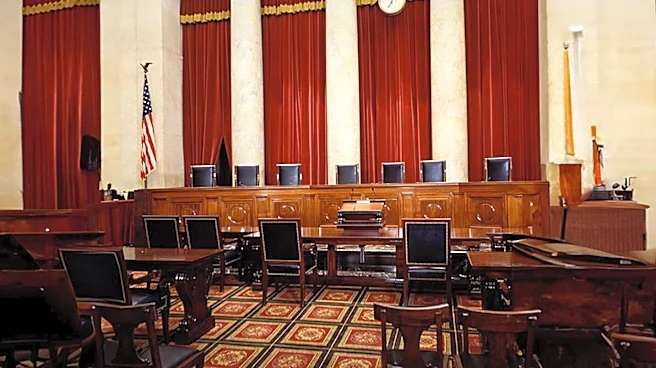
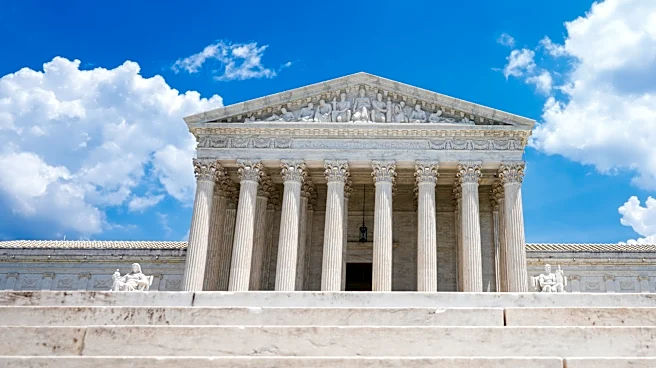
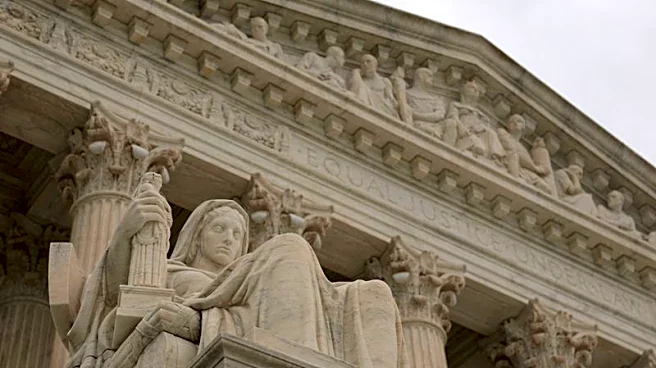
The U.S. Supreme Court is approaching the end of its term with a docket full of high-profile cases, including a pivotal decision on birthright citizenship. This legal precedent, which has been in place for nearly 160 years, affirms that individuals born
in the U.S. are automatically granted citizenship. The Court is also set to rule on other significant issues such as mail-in ballots, transgender athletes, and the president's authority to dismiss heads of independent agencies. These cases, many of which are linked to policies from President Trump's administration, could have far-reaching implications for U.S. law and society.
Why It's Important?
The decisions made by the Supreme Court in these cases could reshape fundamental aspects of U.S. citizenship and civil rights. A ruling on birthright citizenship could alter the legal status of millions of individuals born in the U.S., affecting immigration policy and national identity. Additionally, the outcomes of cases related to mail-in voting and transgender rights could influence future electoral processes and civil rights protections. The Court's decisions will likely have a lasting impact on the legal landscape and could provoke significant political and social reactions.