



What's Happening?
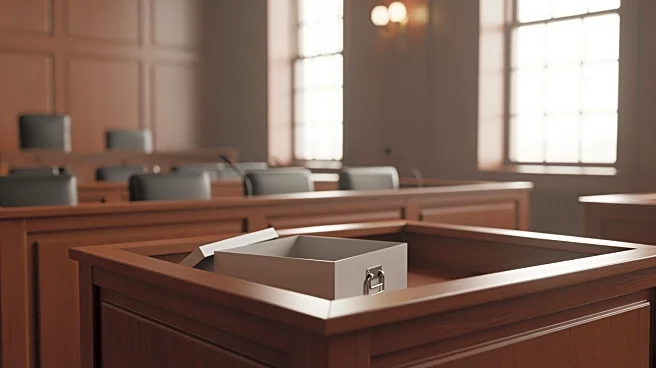
A federal judge has criticized the Justice Department's handling of evidence in the case against former FBI Director James Comey, suggesting that the indictment may be tainted by investigative missteps. Magistrate Judge William Fitzpatrick highlighted
potential violations of Comey's rights, including the use of evidence from a previous investigation without a new warrant. The judge also questioned the integrity of the grand jury proceedings, noting that interim U.S. Attorney Lindsey Halligan may have misrepresented the law to jurors. The DOJ's decision not to seek a new warrant for accessing old evidence was deemed 'inexplicable' by the judge, raising concerns about potential government misconduct.
Why It's Important?
This development raises serious questions about the DOJ's adherence to legal protocols and the potential impact on Comey's case. If the indictment is found to be compromised, it could lead to its dismissal, affecting the DOJ's credibility and its ability to prosecute high-profile cases. The case also highlights the importance of maintaining procedural integrity in legal proceedings, as any perceived misconduct can undermine public trust in the justice system. The outcome could influence how evidence is handled in future cases, particularly those involving high-profile figures.
What's Next?
The court is expected to resolve the dispute over access to grand jury records soon, which could significantly impact Comey's defense strategy. Prosecutors have been given a deadline to justify their actions, and Comey's team will respond to these arguments. The case is set to go to trial after New Year's Day, but the ongoing legal challenges could delay proceedings or lead to a dismissal. The DOJ may need to reassess its approach to ensure compliance with legal standards and avoid further criticism.