



What's Happening?
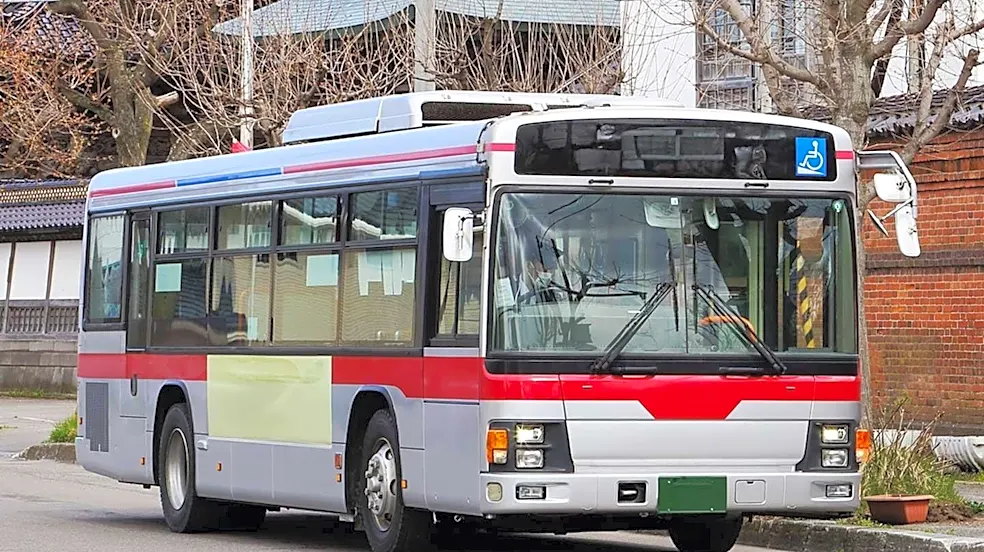
Washtenaw County in Michigan has announced that it will provide free public transportation to polling locations on Election Day. This initiative, approved by county commissioners, allocates up to $60,000 to cover the associated costs. The program is a collaborative
effort involving the county’s three primary public transportation providers: TheRide, WAVE, and People’s Express. The service will extend across all of Washtenaw County, specifically addressing areas, including rural regions, where public transportation options are typically limited. Commissioner Justin Hodge described the program as a crucial pilot project aimed at facilitating civic participation. Ann Arbor Area Transportation Authority CEO Matt Carpenter emphasized the importance of accessible transportation to ensure it does not act as a barrier to voting.
Why It's Important?
This initiative is significant for U.S. civic participation, particularly in Michigan, as it directly addresses potential barriers to voting. By removing transportation costs and accessibility issues, Washtenaw County aims to increase voter turnout and ensure that all eligible citizens, regardless of their location or economic status, can exercise their right to vote. This program could serve as a model for other counties and states looking to enhance election accessibility, especially in rural areas where public transit is often scarce. The allocation of public funds for this purpose underscores a commitment to democratic principles and could influence future policy discussions on voter access nationwide. It also highlights the role of local government and public-private partnerships in strengthening democratic processes.
What's Next?
The program will be implemented on the upcoming Election Day, with the county commissioners having already approved the necessary funding. The collaboration between Washtenaw County and its public transportation entities will proceed to coordinate the logistics of providing free rides. Following Election Day, the county will likely evaluate the effectiveness of this pilot project, including its impact on voter turnout and overall accessibility. The success of this initiative could lead to its continuation in future elections or inspire similar programs in other jurisdictions. Stakeholders, including local government officials and transportation authorities, will monitor the program's execution and outcomes to inform future decisions regarding voter access initiatives.
Beyond the Headlines
Beyond the immediate goal of increasing voter access, this program touches upon broader themes of equity and democratic inclusion. The focus on rural areas, where transportation can be a significant challenge, highlights an effort to bridge geographical and socio-economic divides in political participation. This initiative could also spark discussions about the broader role of public services in supporting fundamental rights, such as voting. It implicitly acknowledges that systemic barriers can prevent citizens from engaging in democratic processes and that proactive measures are needed to overcome these. The program's success could reinforce the idea that investing in voter accessibility is a vital component of a healthy democracy, potentially influencing national conversations on election reform and civic engagement.