







What's Happening?
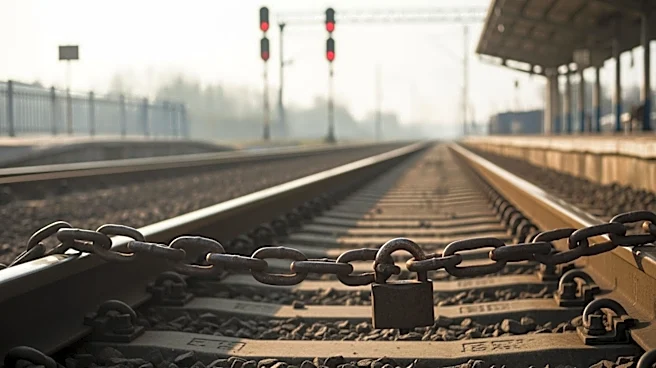
Long Island Rail Road (LIRR) workers have initiated a strike, leading to a complete halt in train services. The strike marks the first day of a labor dispute between the Metropolitan Transportation Authority (MTA) and the unions representing the workers.
The workers have taken to the picket lines as negotiations between the MTA and the unions have failed to reach a resolution. The strike has caused significant disruptions for commuters who rely on the LIRR for transportation. According to CBS News New York, there are currently no signs of an imminent deal to end the strike, leaving the situation unresolved.
Why It's Important?
The strike by LIRR workers is significant as it affects thousands of commuters who depend on the rail service for daily transportation. The disruption highlights ongoing labor disputes and the challenges in reaching agreements between large transportation authorities and their workforce. The halt in services could have economic implications, affecting businesses and individuals who rely on the LIRR for commuting. The strike also underscores the importance of labor negotiations in maintaining essential public services and the potential impact of such disputes on the broader community.
What's Next?
As the strike continues, the MTA and union representatives are expected to return to the negotiating table to seek a resolution. The outcome of these negotiations will determine when train services can resume. In the meantime, commuters may need to seek alternative transportation options, which could lead to increased congestion on roads and other public transit systems. The ongoing strike may also prompt discussions on labor policies and the need for effective dispute resolution mechanisms in the transportation sector.