

What's Happening?
Australia, while historically and culturally influenced by Europe, is increasingly prioritizing its geopolitical and economic alignment with the Asia-Pacific region. Geographically, Australia is part of Oceania, not Europe, and its continental shelf and tectonic
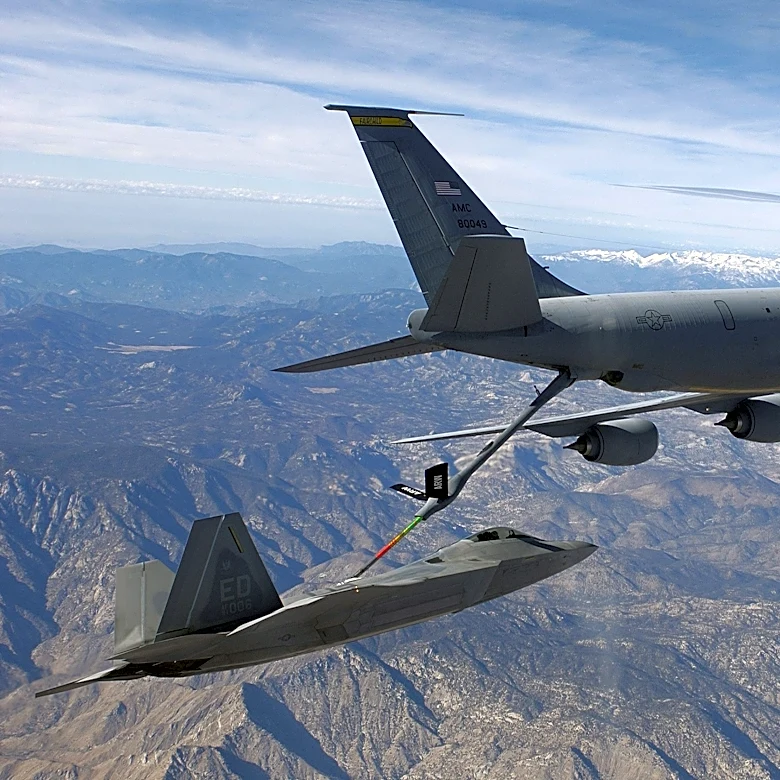
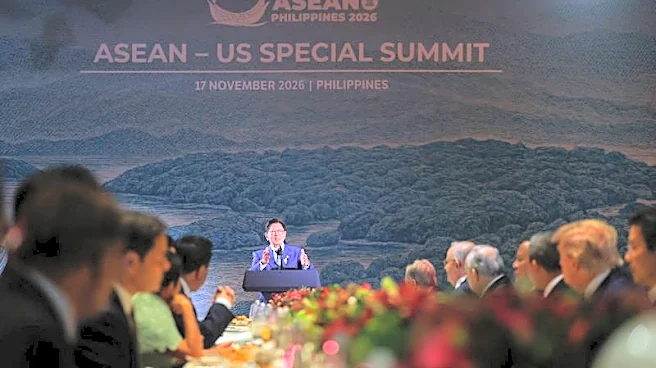
plates confirm its distinct geological identity. Culturally, while British colonization introduced European systems, Australia also has a millennia-old Indigenous heritage and a growing multicultural population with significant Asian, African, and Middle Eastern ancestries. Economically and politically, Australia is a member of Asia-Pacific economic forums like APEC and maintains strong ties with Southeast Asian nations through ASEAN. Its trade agreements increasingly connect it with China, Japan, South Korea, and members of the Regional Comprehensive Economic Partnership (RCEP), highlighting an Asia-Pacific economic focus. Security partnerships, such as the Australia–United Kingdom–United States (AUKUS) agreement, also emphasize shared interests in the Indo-Pacific, distinct from European defense structures.
Why It's Important?
This strategic reorientation by Australia holds significant implications for the U.S., particularly in the context of Indo-Pacific security and economic partnerships. Australia's deepened engagement with Asia-Pacific economic forums and security alliances like AUKUS reinforces the U.S.'s own 'pivot to Asia' strategy, strengthening a network of allies committed to regional stability and economic growth. For U.S. businesses, Australia's increasing trade ties with Asian economies could mean new opportunities for collaboration or increased competition in key sectors. The emphasis on Indo-Pacific security arrangements, distinct from European structures, highlights a shared strategic outlook with the U.S. on countering regional challenges. This alignment can enhance intelligence sharing, military interoperability, and collective responses to geopolitical shifts, directly impacting U.S. foreign policy and defense strategies in the region.
What's Next?
Australia is expected to continue strengthening its economic and security partnerships within the Asia-Pacific and Indo-Pacific regions. This will likely involve further integration into regional trade blocs and increased cooperation on defense and intelligence with key allies, including the U.S. and the UK, through agreements like AUKUS. Future policy decisions will likely reflect this strategic orientation, with a continued focus on issues such as supply chain resilience, maritime security, and regional economic development. While cultural and historical ties with Europe will persist, Australia's foreign policy and economic initiatives will predominantly be shaped by its geographic proximity and strategic interests in the Asia-Pacific, influencing its diplomatic engagements and resource allocation in the coming years.
Beyond the Headlines
Australia's evolving identity, moving beyond a purely European-derived cultural and political framework, has deeper implications for global power dynamics and the concept of 'Western' alliances. This shift challenges traditional notions of geopolitical blocs and highlights the increasing importance of the Indo-Pacific as a center of global influence. For the U.S., it underscores the need for flexible and adaptive alliances that acknowledge the diverse identities and strategic priorities of its partners. Ethically, Australia's recognition of its Indigenous heritage and multicultural population reflects a broader global trend towards decolonization and the re-evaluation of national narratives. This can lead to more inclusive international dialogues and a greater appreciation for diverse perspectives in addressing global challenges, moving beyond a Eurocentric worldview in international relations and fostering a more multipolar global order.