



What's Happening?
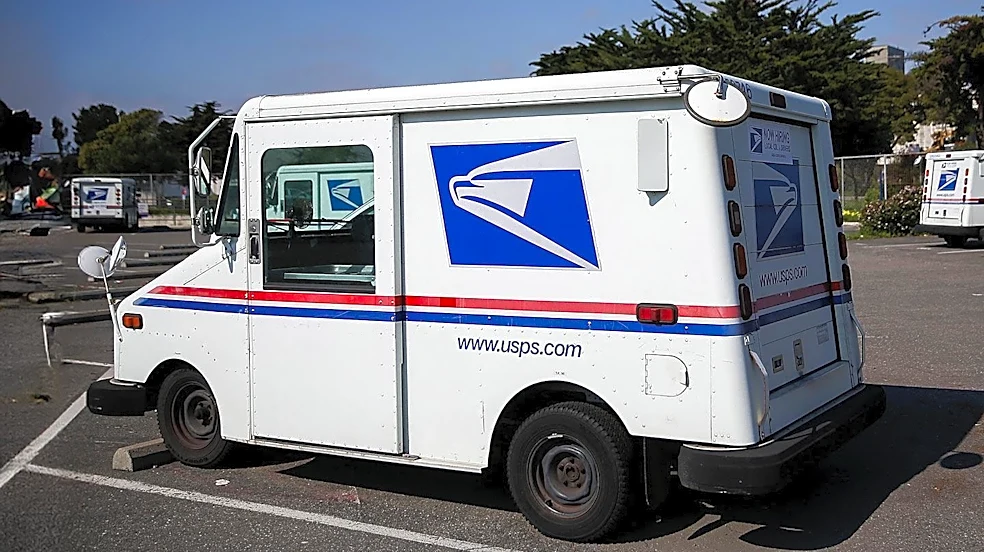
Representative Suzanne Bonamici (OR-01) and Oregon Senators Ron Wyden and Jeff Merkley have formally demanded answers from the United States Postal Service (USPS) regarding significant and ongoing mail delivery problems in Astoria and surrounding areas.
The lawmakers highlighted that city and county governments, along with numerous downtown businesses in Astoria, are experiencing irregular or non-existent mail delivery, despite their proximity to the Astoria Post Office. They noted that the Astoria Post Office has refused to hold mail for city officials, causing disruptions in local commerce and governance, with payments to the city being delayed or undelivered. Concerns were also raised about Amazon packages being delivered on time via USPS, while local business mail is unreliable. Similar issues were reported in Warrenton, Gearhart, and Rainier, including difficulties in finding a new post office location, lack of home delivery, and inaccessible mail pickup services. Representative Bonamici's attempt to meet with the Astoria Postmaster in person was denied.
Why It's Important?
The persistent mail delivery issues in northwest Oregon have significant implications for local governance, small businesses, and residents. Timely and reliable mail service is critical infrastructure for commerce, communication, and access to essential services like medications. The disruption in mail delivery to city and county governments can impede administrative functions, delay critical payments, and undermine public trust in essential services. For small businesses, unreliable mail can lead to financial losses, operational inefficiencies, and damaged customer relationships. The disparity in delivery reliability between Amazon packages and local mail raises questions about USPS priorities and resource allocation, potentially disadvantaging local economies. Furthermore, the challenges faced by residents in areas like Gearhart and Rainier, who lack home delivery or accessible mail services, highlight a broader issue of equitable access to essential public services, particularly in smaller communities. This situation underscores the need for accountability and transparency from the USPS in addressing service deficiencies.
What's Next?
The Oregon lawmakers have requested a written response from the USPS within 14 days, outlining how the agency plans to address the described issues. They have also asked the USPS to schedule a meeting with local elected officials in Clatsop and Columbia counties and to hold an informational session for residents within the next 60 days. These actions aim to secure concrete plans and timelines for resolving the mail delivery problems. Depending on the USPS's response and subsequent actions, further congressional oversight or legislative measures could be pursued to ensure service improvements. Local communities will be closely watching for tangible changes in mail delivery reliability and accessibility. The situation may also prompt a broader review of USPS operations and resource management, especially concerning its ability to serve both large commercial entities and local communities effectively.
Beyond the Headlines
The mail delivery crisis in Oregon points to a deeper systemic challenge within the USPS, reflecting potential understaffing, resource allocation issues, and a struggle to adapt to evolving demands. The contrast between reliable Amazon package delivery and unreliable local mail service highlights the increasing pressure on the USPS to balance its universal service obligation with commercial partnerships. This situation could trigger a national conversation about the future of the USPS, its funding models, and its role as a critical public service in an increasingly digital world. The difficulties faced by residents in accessing basic mail services also underscore the digital divide, as those without reliable internet access or the ability to manage affairs online are disproportionately affected. Ultimately, this local issue in Oregon could serve as a microcosm for broader challenges facing public services across the U.S., prompting a re-evaluation of how essential infrastructure is maintained and delivered to all citizens.