
What's Happening?
The International Committee of the Red Cross (ICRC) is actively recruiting Legal Advisers to strengthen its mission of protecting victims of armed conflict and promoting international humanitarian law
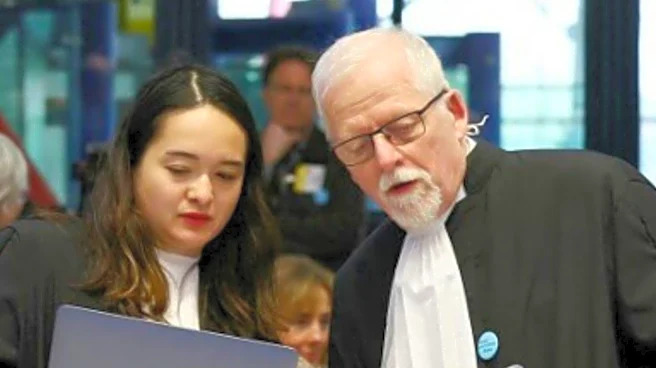
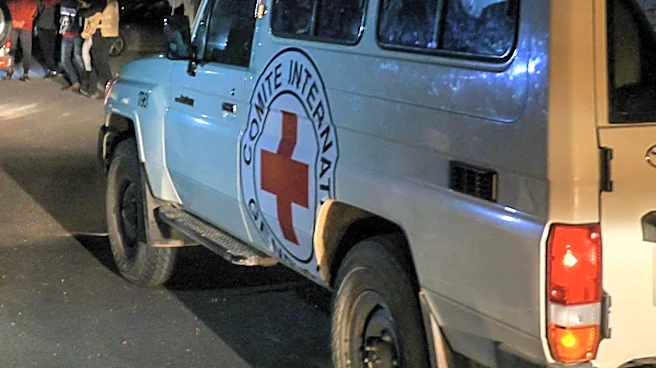
(IHL). These roles involve advising delegations on IHL, international human rights law (IHRL), and national legal matters, with a specific focus on the IHL legal framework. Legal Advisers are tasked with formulating and implementing legal strategies aligned with the ICRC's prevention vision and operational objectives. Their responsibilities include tracking socio-political developments, judicial decisions, and national legislation to assess legal impacts on protection and operations. They also interact directly with authorities, such as the judiciary and ministry advisors, to provide technical legal advice and advance IHL implementation. The ICRC emphasizes its impartial, neutral, and independent humanitarian mission, aiming to protect lives and dignity and provide assistance to those affected by violence.
Why It's Important?
The recruitment of Legal Advisers by the ICRC is crucial for reinforcing the application and understanding of international humanitarian law in conflict zones. These roles are vital for ensuring that the rights and dignity of victims of armed conflict are upheld, and that humanitarian assistance can be delivered effectively. By engaging with national authorities and legal frameworks, the ICRC aims to integrate IHL principles into domestic legal systems, thereby strengthening protections for civilians and other vulnerable populations. The work of these legal professionals helps to mitigate the impact of violence, prevent abuses, and promote accountability. Their efforts contribute to a more stable and just international environment by advocating for adherence to established humanitarian norms, which is particularly important in regions experiencing prolonged conflict or instability.
What's Next?
The ICRC will continue its recruitment process to fill these critical Legal Adviser positions, aiming to deploy qualified professionals to various delegations. Once in place, these advisers will begin implementing legal strategies, conducting training sessions, and engaging with local authorities and stakeholders. Their ongoing work will involve producing legal analyses, policy notes, and maintaining strategic networks to position the ICRC as a reference for IHL. The organization will also focus on capacity-building initiatives with partners like National Committees for IHL and local Red Crescent Societies. These efforts are expected to lead to a more robust application of IHL and IHRL, fostering greater respect for humanitarian principles and facilitating the ICRC's operational activities in areas affected by armed conflict.
Beyond the Headlines
The continuous need for legal expertise within organizations like the ICRC highlights the persistent challenges in upholding international humanitarian law amidst global conflicts. Beyond the immediate legal advice, these roles contribute to a broader cultural shift towards greater respect for human dignity and the rule of law in times of war. The emphasis on capacity-building and partnerships suggests a long-term strategy to embed IHL principles within national institutions, fostering self-sufficiency in humanitarian governance. This proactive approach not only addresses immediate crises but also aims to prevent future violations by strengthening legal frameworks and promoting education on humanitarian norms. The work of these legal advisers, while often behind the scenes, is fundamental to shaping how conflicts are managed and how vulnerable populations are protected on a global scale.