


What's Happening?
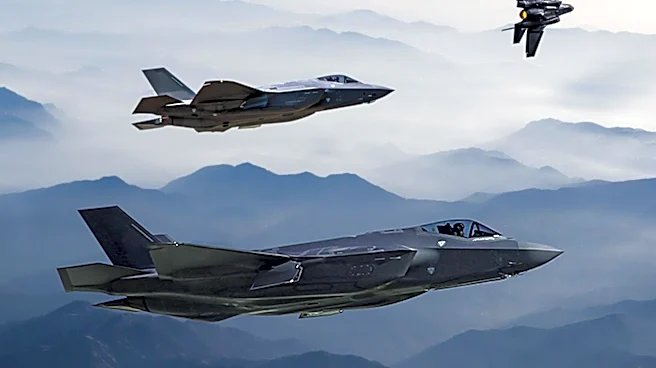
The United States is facing a critical shortage of missiles after five months of conflict with Iran. Current and former defense officials report that stockpiles of long-range and interceptor missiles are dangerously low, affecting the U.S.'s ability to respond
to threats in Asia and support allies like Ukraine. Defense Secretary Pete Hegseth has appealed to Congress for additional funding to replenish stockpiles, but the process is expected to take years. The shortage has prompted President Trump to consider diplomatic solutions to the conflict with Iran, as military options become increasingly limited.
Why It's Important?
The missile shortage poses a significant threat to U.S. national security and military strategy. It highlights the challenges of maintaining readiness and supporting multiple conflicts simultaneously. The situation underscores the importance of strategic planning and investment in defense infrastructure to ensure long-term military capabilities. The crisis could impact U.S. international relations and influence future defense policies and resource allocation. The administration's handling of the issue may affect public confidence and political dynamics, particularly with upcoming elections.
What's Next?
The administration may need to pursue diplomatic solutions to address the conflict with Iran and mitigate the impact of the missile shortage. Congressional approval of additional defense funding is crucial for replenishing stockpiles and ensuring military readiness. The situation may prompt a reevaluation of U.S. military commitments and strategies to prevent similar crises in the future. The administration's response to the crisis could influence public perception and political dynamics, especially in the context of upcoming elections.