








What's Happening?
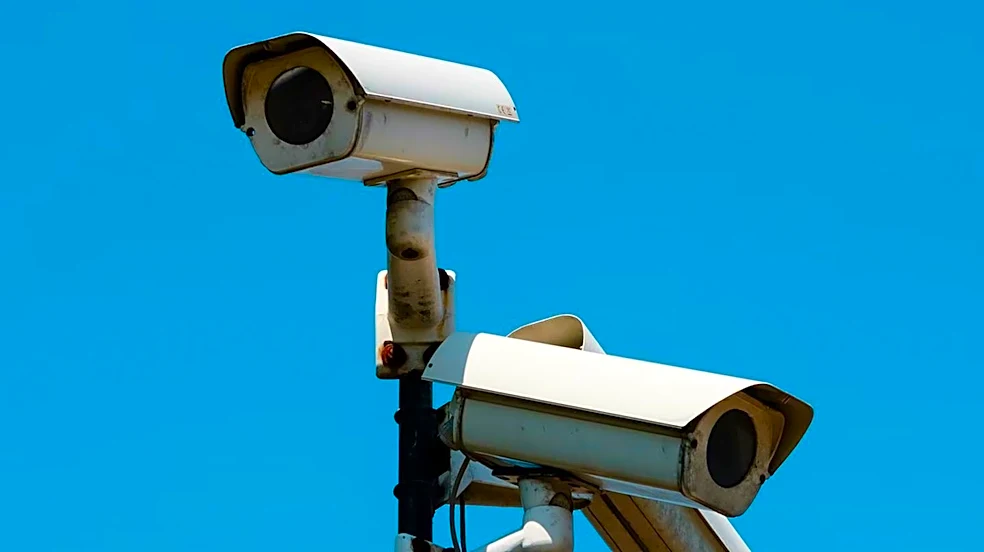
Chicago officials are preparing to initiate a pilot program to test new gunshot detection technology across six wards located on the city's South and West Sides. This development comes nearly two years after the city discontinued its use of the previous
ShotSpotter system. The decision to implement a new pilot program indicates a renewed effort by Chicago to leverage technology in addressing gun violence, particularly in areas that have historically experienced higher rates of such incidents. The specific details of the new technology and its capabilities are expected to be evaluated during this pilot phase, as the city seeks effective solutions for public safety.
Why It's Important?
The launch of a new gunshot detection technology pilot program is a significant step for Chicago in its ongoing efforts to combat gun violence. The previous ShotSpotter system faced scrutiny and criticism, making the success of this new pilot crucial for restoring public confidence in such technologies. If effective, the new system could potentially reduce response times for law enforcement to shooting incidents, aid in evidence collection, and ultimately contribute to a decrease in gun-related crime in the targeted South and West Side wards. Conversely, if the pilot program encounters similar issues to its predecessor, it could further complicate the city's strategy for addressing gun violence and lead to renewed debates about the efficacy and ethical implications of surveillance technologies in urban environments. The outcome will directly impact community safety and police operations.
What's Next?
Following the launch of the pilot program, Chicago officials will closely monitor the performance and effectiveness of the new gunshot detection technology in the designated South and West Side wards. This evaluation will likely involve collecting data on accuracy, response times, and its impact on crime rates. Aldermen, who have previously questioned delays in implementing new technologies, will be keen observers of the pilot's progress and will likely demand transparency regarding its results. Based on the findings of this pilot, the city will decide whether to expand the use of the technology city-wide or explore alternative solutions. Community feedback from the pilot areas will also play a critical role in shaping future decisions regarding the deployment of such systems.
Beyond the Headlines
The introduction of a new gunshot detection pilot program in Chicago touches upon broader societal discussions regarding privacy, surveillance, and the role of technology in policing. While proponents argue that such systems are vital tools for public safety, critics often raise concerns about potential biases, false alarms, and the impact on civil liberties, particularly in historically over-policed communities. The success or failure of this pilot could influence national conversations about the balance between security and privacy, and the ethical deployment of AI-powered surveillance tools in urban settings. It also highlights the persistent challenge of finding effective, equitable, and publicly accepted solutions to gun violence in major U.S. cities, prompting ongoing debates about resource allocation and community engagement in crime prevention strategies.