






What's Happening?
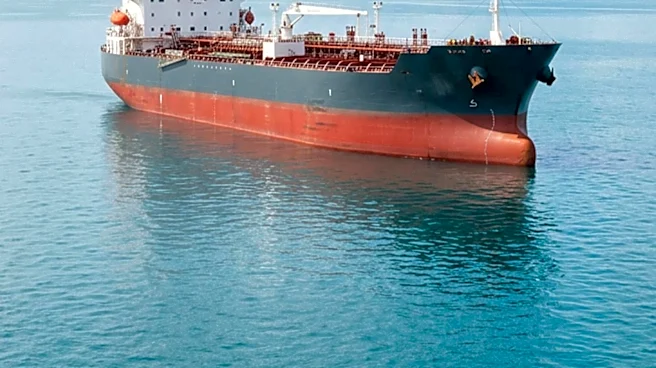
A U.S.-sanctioned, Russian-linked oil tanker, the Padre (formerly Ce-Merapi), has been under close monitoring by Norwegian authorities for over two weeks near Norway’s Arctic maritime border. The 30-year-old vessel, operating under an allegedly false
Nicaraguan flag, loaded oil in Murmansk on October 19 before moving into the Barents Sea. Its destination and the reason for its prolonged presence are unknown. The tanker is believed to be connected to MG-Flot, a Russian shipping company accused by the U.S. Department of State of transporting Iranian ballistic missiles to Russia in 2024 and Iranian air defense equipment in late 2025. Murmansk is a significant export hub for Russian Arctic oil, often utilizing a 'shadow fleet' to circumvent Western sanctions.
Why It's Important?
The presence and activities of the Padre highlight the ongoing challenges in enforcing international sanctions against Russia and its allies, particularly concerning illicit trade and military support. The alleged use of a false flag and its connection to a company involved in transporting Iranian missiles to Russia underscore the sophisticated methods employed to bypass restrictions. This situation raises concerns about maritime security in the Arctic region, a strategically important area, and the potential for sanctioned vessels to engage in activities that could destabilize international relations. The close monitoring by Norwegian authorities reflects the vigilance required to track and counter such operations, which have implications for global security and the effectiveness of sanctions regimes.
What's Next?
Norwegian authorities will likely continue their heightened monitoring of the Padre and similar vessels suspected of illicit activities. The international community, particularly the U.S. and its allies, will remain focused on identifying and disrupting 'shadow fleets' and companies that facilitate sanctions evasion and military support for Russia. This incident could lead to increased scrutiny of shipping registries and flag states, as well as enhanced intelligence sharing among nations to track the movements of sanctioned vessels. Further investigations into the Padre's activities and its alleged links to missile shipments could result in additional sanctions or enforcement actions against individuals and entities involved.
Beyond the Headlines
This incident points to a broader, less visible aspect of geopolitical conflict: the clandestine networks and logistical operations that sustain sanctioned regimes. The use of 'shadow fleets' and false flags represents a significant challenge to international maritime law and order, enabling the flow of prohibited goods and military equipment. It also highlights the complex interplay between economic sanctions, national security, and the integrity of global shipping. The potential for such vessels to be involved in transporting weapons, as alleged in this case, underscores the critical need for robust international cooperation and intelligence capabilities to prevent the proliferation of arms and maintain regional stability. The aging nature of some of these vessels also raises environmental and safety concerns for maritime navigation.