




What's Happening?
Researchers at the University of California San Diego have made a significant discovery regarding the role of the gut microbiome in human longevity. Led by Dr. Amir Zarrinpar, the team found specific changes in gut bacteria metabolic activity that are
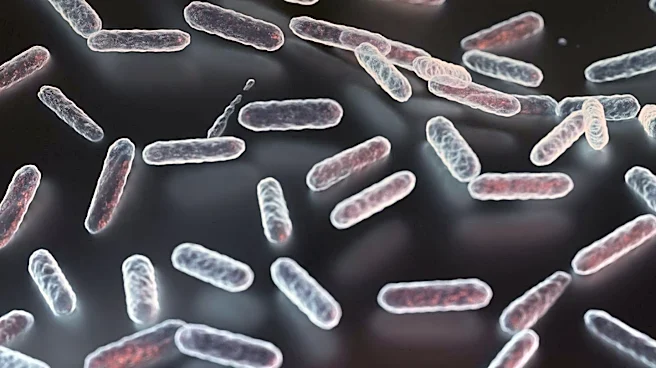
more prevalent in centenarians compared to typical older adults. The study, published in 'Cell Metabolism' on November 16, 2026, focused on how gut bacteria modify bile acids, which are crucial for fat digestion and act as signaling molecules influencing metabolism, inflammation, and circadian rhythms. Centenarians exhibited higher ratios of certain modified bile acids and a greater abundance of the gene responsible for bile salt hydrolase (BSH) activity in their microbiomes. This suggests that these microbial shifts might be a protective adaptation rather than a sign of decline. To test this, researchers engineered a gut-native bacterial strain to continuously produce BSH and introduced it into elderly mice. This single treatment led to improved insulin sensitivity, glucose tolerance, lower body weight and fat mass, increased fat utilization for energy, and enhanced mitochondrial function, addressing key metabolic pathways implicated in aging.
Why It's Important?
This research is important because it offers a new perspective on aging and potential interventions for extending healthy lifespan. Traditionally, age-related changes in the gut microbiome have often been viewed as detrimental. However, this study suggests that some changes may be compensatory mechanisms that help maintain metabolic balance into extreme old age. The ability to engineer bacteria to replicate the benefits observed in centenarians opens a promising avenue for therapeutic development. Unlike pharmaceutical compounds, probiotic bacteria can colonize the gut and deliver therapeutic compounds directly, potentially offering a more tractable intervention point. The findings align with other longevity research, emphasizing that interventions modulating fundamental metabolic and inflammatory pathways are most effective in slowing biological aging. This could lead to novel probiotic-based therapies aimed at improving metabolic health and resilience against age-associated diseases, benefiting an aging population and potentially reducing healthcare burdens.
What's Next?
While engineered probiotics are still in the experimental stage, the findings pave the way for future research and potential clinical applications. The next steps will likely involve further studies to validate these findings in human trials, focusing on safety and efficacy. Researchers will need to determine optimal strains, dosages, and delivery methods for such engineered bacteria. The study also reinforces the importance of current evidence-based strategies for healthy aging, such as prioritizing gut health through diet (fiber, fermented foods, diverse plant intake), combining diet with exercise, and focusing on metabolic health. The rapid acceleration in longevity biotech funding suggests that the translation from laboratory discovery to clinical therapy for human longevity may occur sooner than anticipated, potentially leading to new treatments that leverage the gut microbiome to enhance healthspan.
Beyond the Headlines
This study delves into the complex interplay between our internal microbial ecosystem and our overall health and longevity, highlighting a deeper understanding of biological resilience. It challenges the conventional narrative of aging as an inevitable decline, suggesting instead that the body, with the help of its microbiome, actively adapts to maintain health. The ethical implications of engineering gut bacteria for longevity will also become a more prominent discussion as this field advances, raising questions about the natural aging process and the extent of human intervention. Furthermore, the research underscores the concept of 'decoupling aging and disease,' where extreme age does not necessarily equate to poor health, but rather to remarkable resilience against age-associated conditions. This shift in understanding could influence public health strategies, moving beyond disease treatment to proactive health maintenance through microbiome modulation, potentially leading to a re-evaluation of dietary guidelines and lifestyle recommendations.