




What's Happening?
Dr. Michael Holmboe, an orthopedic surgeon at CommonSpirit Health, is emphasizing the importance of pre-season conditioning for individuals participating in fall and winter sports. He highlights that these activities place unique demands on the body,
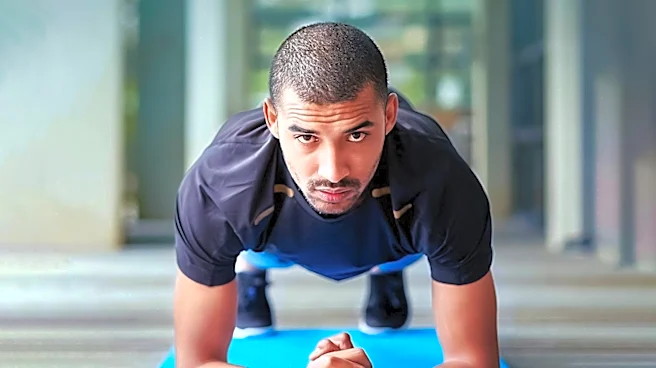
requiring more than just cardiovascular fitness. The goal, according to Dr. Holmboe, is to develop the strength, balance, and control necessary to handle unexpected movements and changes in terrain. He advises that even 20 to 30 minutes of strength work two or three times a week can significantly improve performance and reduce injury risk. This preparation is crucial for both seasoned athletes and beginners to prevent early fatigue and common injuries such as lower-back pain, knee, and ankle issues, which often arise from increased activity during the transition from summer to winter sports.
Why It's Important?
This guidance from CommonSpirit Health is important for public health and safety, particularly in regions where fall and winter sports are popular. By advocating for pre-season conditioning, Dr. Holmboe aims to reduce the incidence of sports-related injuries, which can lead to significant healthcare costs and personal suffering. The emphasis on strength, balance, and control, rather than just cardiovascular fitness, addresses the specific biomechanical challenges of activities like skiing and snowboarding. This proactive approach can help individuals maintain an active lifestyle throughout the colder months while minimizing the risk of needing medical intervention. For healthcare providers, this highlights the ongoing need for patient education on injury prevention, especially as seasonal activities change.
What's Next?
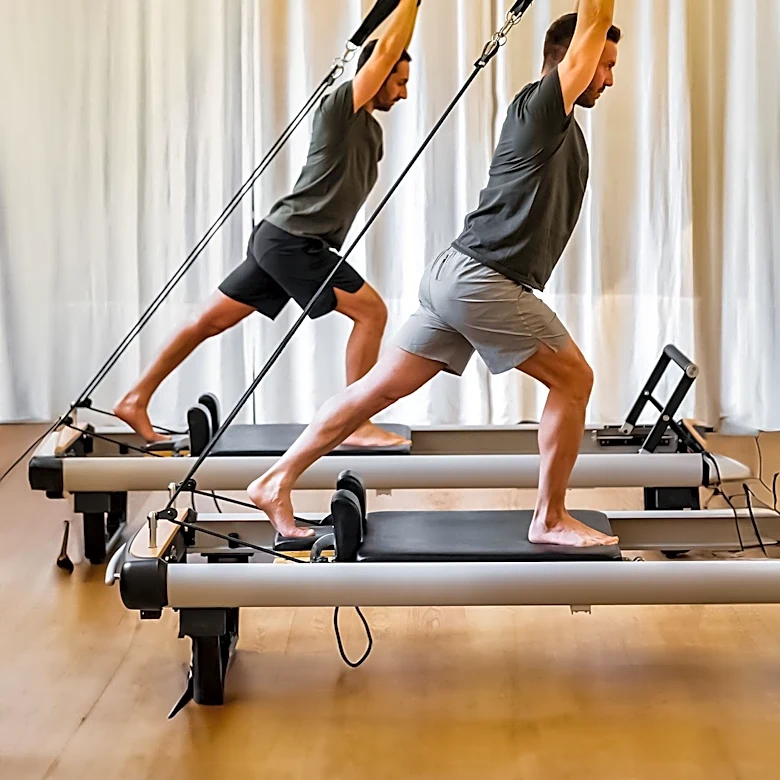
Individuals planning to engage in fall and winter sports are encouraged to begin incorporating pre-season conditioning into their routines. This includes exercises focusing on controlled downhill walking, single-leg movements like step-downs, lunges, and single-leg squats, as well as lateral movements. Dr. Holmboe also stresses the importance of balance and core stability for navigating uneven terrain, and lower-body exercises for leg power and endurance. Additionally, cardiovascular training is recommended to prepare for colder conditions where breathing can be more challenging. Beyond physical training, adequate sleep, hydration, and nutrition are critical for recovery and preventing injuries, especially during periods of increased strenuous activity.
Beyond the Headlines
The advice from CommonSpirit Health extends beyond just sports performance, touching upon broader aspects of health and wellness during colder months. Dr. Holmboe also provides practical tips for everyday tasks like snow shoveling, which can lead to injuries if not approached correctly. He suggests using an appropriately sized shovel, taking smaller loads, pushing snow instead of lifting, and bending at the hips and knees to protect the lower back. This holistic approach to winter preparedness underscores the interconnectedness of physical activity, daily tasks, and overall well-being. It highlights the importance of mindful movement and preparation to prevent injuries in various contexts, not just organized sports.