








What's Happening?
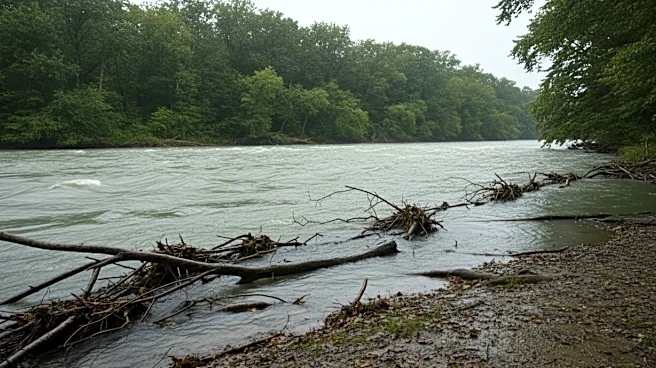
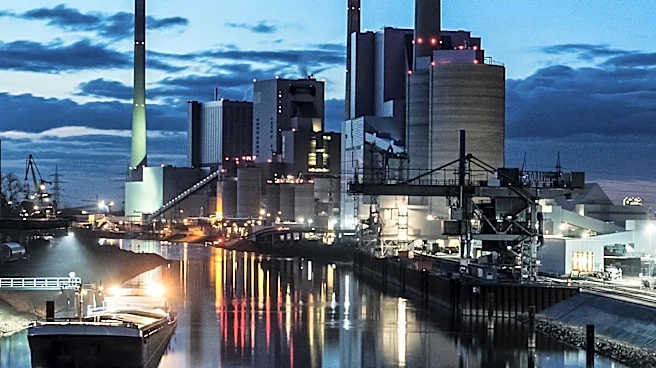
A Pekin ethanol plant, formerly Pacific Ethanol Pekin LLC and now operating as Alto Pekin LLC, has reached a settlement with the state of Illinois over illegal wastewater discharges into the Illinois River. Illinois Attorney General Kwame Raoul announced
a consent order resolving a lawsuit concerning water contamination from the plant's ethanol refinery in Pekin. The facility, which is a wet-and-dry corn milling plant converting corn starch into ethanol for transportation fuels, was accused of discharging wastewater that exceeded temperature, flow, chlorine, and nitrogen ammonia limits under its federal pollution discharge permit. These violations allegedly occurred between January 2012 and October 2017. The excess discharge of contaminants posed risks to local wildlife, including birds, fish, and other aquatic life. The lawsuit was initiated based on a referral from the Illinois Environmental Protection Agency, with the Sierra Club and Prairie Rivers Network participating as plaintiff-intervenors.
Why It's Important?
This settlement is significant for environmental protection and corporate accountability in the U.S. It underscores the commitment of state authorities and environmental groups to safeguard natural resources like the Illinois River from industrial pollution. The financial penalties and mandated environmental project serve as a deterrent for other industrial facilities, emphasizing the legal and financial consequences of non-compliance with environmental regulations. The protection of the Illinois River is crucial for regional biodiversity, supporting various aquatic species and migratory birds. Furthermore, the involvement of environmental organizations like the Sierra Club and Prairie Rivers Network highlights the vital role of non-governmental entities in advocating for environmental justice and holding corporations accountable for their ecological footprint. This case sets a precedent for how future environmental violations by industrial plants might be addressed, reinforcing the importance of adhering to federal pollution discharge permits.
What's Next?
Under the terms of the consent order, Alto Pekin LLC is required to pay $75,000 in civil penalties. Additionally, the company must fund a $125,000 project to replace a water control structure at the Emiquon National Wildlife Refuge in Fulton County. This project is designed to improve water management across approximately 320 acres of protected wetlands at the refuge. Environmental groups, including the Prairie Rivers Network, have praised the settlement, noting that it holds Alto Pekin accountable while contributing to the restoration of natural floodplain functions. The successful implementation of the water control structure replacement will be a key next step, with its progress likely monitored by environmental agencies and advocacy groups to ensure the intended ecological benefits are realized. This settlement may also prompt other industrial facilities in the region to review their wastewater discharge practices to avoid similar legal actions.
Beyond the Headlines
The settlement extends beyond immediate financial penalties and environmental restoration, touching upon broader themes of corporate responsibility and the long-term health of U.S. waterways. The alleged violations, spanning several years, highlight potential systemic issues in environmental oversight or corporate compliance within the industrial sector. The focus on restoring wetlands at the Emiquon National Wildlife Refuge underscores the interconnectedness of different ecosystems and the ripple effect of industrial pollution. This case could influence future policy discussions regarding the stringency of pollution discharge permits and the enforcement mechanisms in place. It also reinforces the ethical imperative for corporations to prioritize environmental stewardship alongside economic objectives, recognizing the intrinsic value of natural habitats and their role in supporting diverse wildlife populations and human well-being.