









What's Happening?
A 31-year-old novice climber was rescued after surviving a 1,500-foot fall on Mount Shasta in California. The incident occurred as she attempted to ascend the mountain via the Left of Heart variation of the Avalanche Gulch route, alongside two other novice climbers,
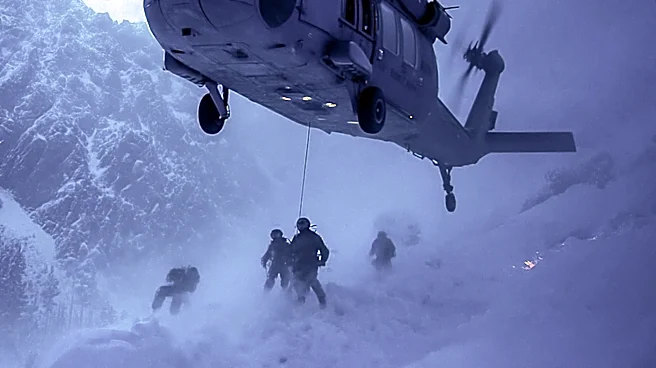
at an elevation of approximately 13,000 feet. The climber suffered a suspected ankle fracture and other injuries but was found alert and in good spirits. Due to cloud cover, a helicopter could not reach her directly, prompting three U.S. Forest Service rangers to ascend on foot. They were assisted by a member of the climbing party and a 'Good Samaritan climber.' The woman was eventually secured in a rescue litter and lowered to Lake Helen, from where she was airlifted to Mercy Medical Center Mount Shasta for treatment.
Why It's Important?
This incident underscores the inherent risks associated with high-altitude mountaineering, particularly for inexperienced climbers. Mount Shasta, known for its steep and rigorous terrain, requires climbers to be well-prepared with appropriate gear and skills. The rescue highlights the importance of understanding the challenges posed by rapidly changing weather conditions, steep snow and ice, and potential rockfall. It serves as a reminder for climbers to assess their experience and physical conditioning before attempting such climbs. The successful rescue operation also demonstrates the critical role of coordinated efforts between rescue teams and volunteers in ensuring climber safety.
What's Next?
The U.S. Forest Service has emphasized the need for climbers to be honest about their experience and physical conditioning before attempting to summit Mount Shasta. They recommend climbers equip themselves with crampons, a mountain axe, helmet, and basic snow travel skills. The Mount Shasta Avalanche Center advises climbers to be prepared for a 7,000-foot vertical ascent that includes steep snow and ice, rockfall, and weather extremes. Future climbers may need to undergo more rigorous preparation and training to safely navigate such challenging environments.
Beyond the Headlines
This event may prompt discussions on the need for stricter regulations or guidelines for novice climbers attempting high-risk routes. It could also lead to increased awareness and education on mountaineering safety, potentially influencing the development of more comprehensive training programs. The incident highlights the ethical responsibility of climbers to ensure their safety and that of their companions, as well as the importance of community support in rescue operations.