




What's Happening?
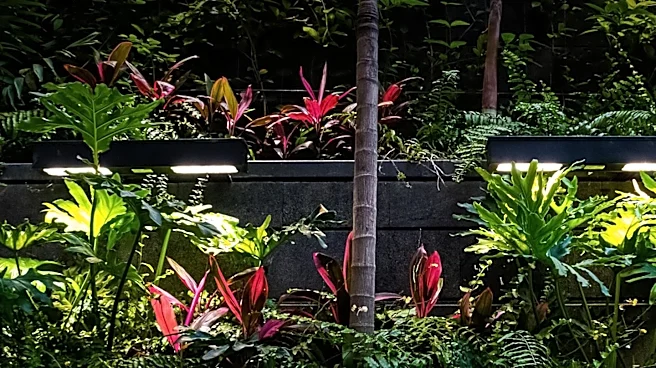
Vertical gardens are emerging as integrated systems that combine building-integrated green infrastructure with decentralized rainwater harvesting. These systems are designed to address several urban challenges, including mitigating stormwater runoff,
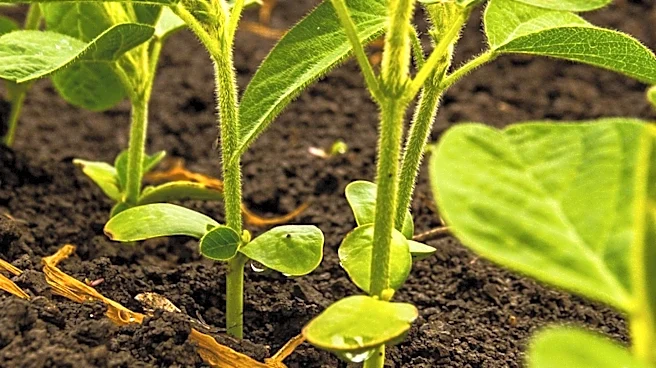
reducing urban heat island effects, and sustaining urban greenery without depleting municipal water supplies. Key components of these vertical gardens include structural frameworks that support vertical plant growth, smart drip-irrigation systems that utilize harvested rainwater, and the selection of drought-tolerant, native plant species. The design allows for efficient use of space, enabling multiple crops to be grown on different schedules within a single vertical planter, such as a GreenStalk. Additionally, natural elements like the tulip poplar tree, which can grow up to 100 feet, function as a vertical garden for wildlife, providing nectar for pollinators and nesting sites for birds. This approach to gardening maximizes space and resource efficiency in urban environments.
Why It's Important?
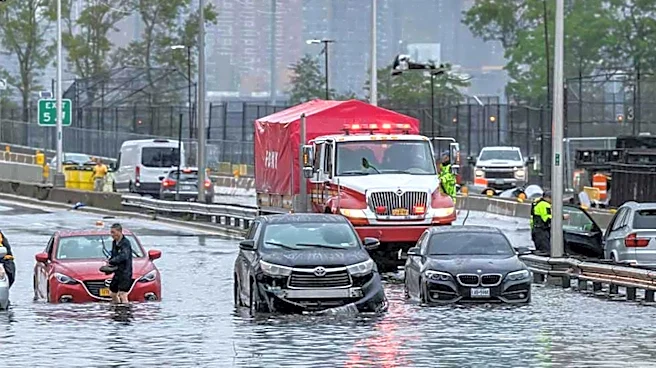
The implementation of vertical gardens holds significant importance for U.S. cities facing increasing urbanization and environmental pressures. By mitigating urban stormwater runoff, these systems can reduce the burden on municipal drainage infrastructure, potentially preventing flooding and water pollution. The reduction of urban heat island effects contributes to cooler city temperatures, which can lower energy consumption for air conditioning and improve public health during heatwaves. Furthermore, sustaining urban greenery without relying on municipal water supplies promotes water conservation, a critical issue in many regions. The ability to grow multiple crops in limited spaces can enhance local food production and food security in urban areas. For wildlife, these vertical gardens provide essential habitats and food sources, supporting biodiversity within city limits. This sustainable approach offers a multi-faceted solution to environmental and resource management challenges in urban settings.
What's Next?
The future of vertical gardens likely involves continued innovation in design, irrigation technology, and plant selection to further optimize their environmental and economic benefits. There may be an increased adoption of these systems in new urban developments and retrofits of existing buildings, driven by growing awareness of climate change and sustainability goals. Research into more efficient rainwater harvesting methods and advanced smart irrigation systems will likely continue to improve water usage. Furthermore, the integration of vertical gardens into urban planning policies could become more common, potentially offering incentives for their installation. The development of more diverse and resilient plant species suitable for vertical growth will also expand the applications and effectiveness of these green infrastructures. Public and private partnerships could emerge to fund and implement larger-scale vertical garden projects in cities across the U.S.
Beyond the Headlines
Beyond their immediate environmental benefits, vertical gardens represent a shift in urban design philosophy, moving towards more integrated and self-sustaining urban ecosystems. This approach challenges traditional notions of urban development by blurring the lines between built environments and natural landscapes. Ethically, these systems promote a more responsible use of resources and a greater connection between urban dwellers and nature, potentially improving mental well-being. Culturally, they could foster a renewed appreciation for local food production and green spaces within cities. The long-term implications include the potential for cities to become more resilient to climate change impacts, more self-sufficient in food production, and more aesthetically pleasing. This trend could also spur economic growth in green technology and urban agriculture sectors, creating new jobs and industries focused on sustainable urban living.