
What's Happening?
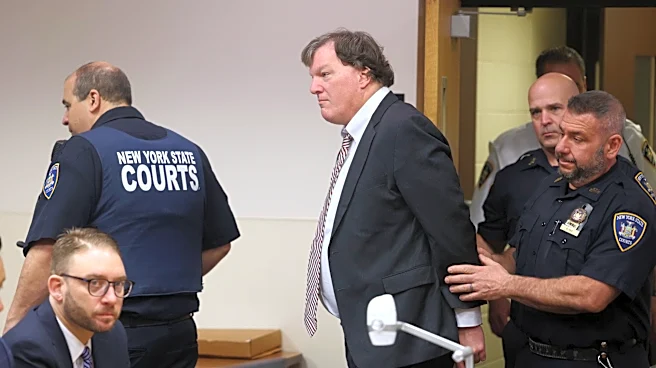
Luigi Mangione, a 28-year-old accused of murdering Brian Thompson, a health insurance executive, is gaining significant public support as his legal team prepares for a key pretrial hearing in Manhattan.
Mangione, who has pleaded not guilty, is being portrayed by some as a folk hero, with his physical appearance and perceived stance against the U.S. healthcare system contributing to his popularity. His legal defense fund has amassed over $1.5 million from more than 42,000 donors, and he has received thousands of letters of support globally. Legal experts express concern that Mangione's popularity could influence jury selection and trial outcomes. His case has sparked debates about the U.S. healthcare system, with some supporters viewing his alleged actions as a political statement.
Why It's Important?
The case of Luigi Mangione highlights the intersection of criminal justice and public opinion, particularly how media portrayal and public sentiment can impact legal proceedings. Mangione's growing support underscores a broader dissatisfaction with the U.S. healthcare system, as some view his alleged actions as a protest against systemic issues. This case could set a precedent for how public opinion and media influence are managed in high-profile trials. The outcome may affect public trust in the legal system and could influence future cases involving similar themes of political and social protest.
What's Next?
Mangione's state trial is scheduled to begin in September, with a federal trial to follow next year. The legal proceedings will likely continue to attract public attention and debate, particularly regarding the admissibility of evidence and the potential influence of Mangione's popularity on the jury. Legal analysts anticipate challenges in jury selection due to the widespread media coverage and public support. The trials will test the ability of the legal system to remain impartial amidst significant public and media scrutiny.
Beyond the Headlines
The Mangione case raises questions about the role of physical appearance and media portrayal in shaping public opinion and legal outcomes. It also highlights the potential for criminal cases to become platforms for broader social and political discourse. The case may prompt discussions about the ethical implications of using criminal trials as a means of protest against systemic issues, such as healthcare inequities. Additionally, it could influence how future cases involving public figures or controversial issues are handled by the media and the legal system.