




What's Happening?
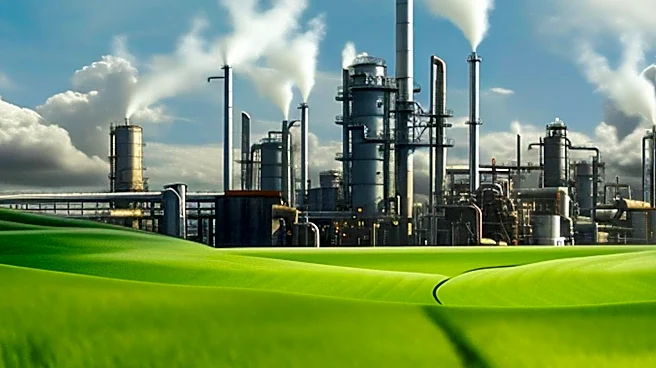
The Ontario Ministry of the Environment, Conservation and Parks (MECP) has identified emissions from Birla Carbon as a primary source of soot that fell on Hamilton neighborhoods in July. This soot, which has been a recurring issue in the area, was particularly
severe this time, affecting areas not usually impacted. The soot, containing toxic chemicals linked to coal combustion, has raised health concerns among residents. The MECP has referred Birla Carbon for a formal investigation to determine potential violations of Ontario's environmental laws. The company, which produces carbon black, a material used in manufacturing rubber and plastic, has stated it is cooperating with the government. Local officials and residents have expressed significant concern, with some calling for the company to be fined and for funds to be redirected to affected residents for cleaning costs.
Why It's Important?
The identification of Birla Carbon as a major source of soot in Hamilton highlights ongoing environmental and public health challenges associated with industrial emissions. The presence of toxic chemicals in the soot poses potential health risks, particularly respiratory and cardiovascular issues, to the local population. This situation underscores the need for stringent environmental regulations and enforcement to protect public health. The outcome of the investigation could set a precedent for how similar cases are handled in the future, potentially influencing policy and regulatory frameworks. The incident also raises questions about corporate responsibility and the balance between industrial activity and community well-being.
What's Next?
The MECP's investigation into Birla Carbon's emissions will likely lead to further scrutiny of the company's operations and could result in fines or other regulatory actions. Local officials, including Councillor Tom Jackson, are advocating for substantial fines and community engagement from the company. Hamilton Public Health is assessing the ministry's findings and will provide public comments on potential health impacts. The situation may prompt broader discussions on industrial emissions and environmental justice, potentially influencing future policy decisions at both local and provincial levels.