






What's Happening?
The Gombe State Government has launched a statewide mass vaccination campaign targeting major livestock diseases, including Contagious Bovine Pleuropneumonia, Foot-and-Mouth Disease, and Peste des Petits Ruminants. The campaign, flagged off by Deputy
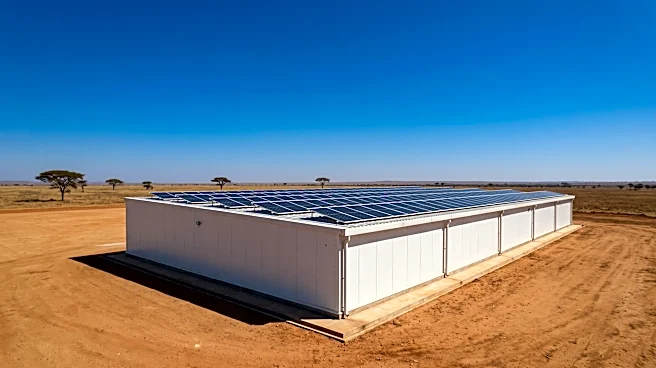
Governor Manassah Jatau, covers cattle, sheep, and goats. This initiative aims to protect livestock, enhance food security, and safeguard human health. The government emphasizes its commitment to preventive animal healthcare through regular vaccination, disease surveillance, and improved veterinary services. The campaign is particularly critical during the harvest season, when increased livestock movement from neighboring states elevates the risk of disease transmission. The state has also established a Ministry of Livestock Development, renovated veterinary clinics, constructed a diagnostic laboratory, and built a solar-powered cold-chain facility to support these efforts.
Why It's Important?
Livestock production is a vital source of economic livelihood and nutritional needs for many residents in Gombe State, with the sector providing employment and income. Healthy livestock directly translates to healthy food, better economic returns for farmers, and a reduced risk of zoonotic diseases. The mass vaccination campaign is crucial for significantly reducing livestock mortality, which has already seen a decline from 28.1% in 2022 to 12.2% in 2025 due to previous interventions. By strengthening the livestock value chain, the state aims to move beyond subsistence farming towards a more organized, commercial, and value-driven industry. This initiative also supports the state's broader goal of economic diversification, creating jobs and reducing losses associated with transporting live animals and raw products outside the state, thereby fostering local processing and value addition.
What's Next?
The Gombe State Government will continue to implement its annual statewide vaccination campaigns, urging local government chairmen, traditional rulers, livestock associations, farmers, and other stakeholders to support the exercise. The state is also developing livestock production and processing facilities, including an 184-hectare Special Livestock Development Zone. This zone will feature an ultra-modern abattoir, tannery, international livestock market, veterinary hospital, poultry production facilities, and an inland dry port. Additionally, a Farmers-Herders Resolution Committee has been constituted to address conflicts and facilitate the re-demarcation of cattle routes and grazing reserves. Livestock owners and herders are encouraged to cooperate with veterinary officials and use designated routes to prevent road damage and disease spread. The Federal Ministry of Livestock Development is committed to collaborating with Gombe State to achieve broad vaccination coverage.
Beyond the Headlines
This comprehensive approach by Gombe State extends beyond immediate disease control to address systemic issues within the livestock sector. The establishment of a dedicated ministry and the development of a Special Livestock Development Zone signify a long-term vision for transforming the industry into a modern, commercial enterprise. This initiative has the potential to create significant economic opportunities, reduce post-harvest losses, and enhance food security. Furthermore, the focus on resolving farmer-herder conflicts through designated routes and committees addresses a critical social and security challenge, promoting peaceful coexistence and sustainable land use. The state's efforts could serve as a model for other regions seeking to leverage their agricultural potential for economic growth and stability, while also highlighting the importance of integrated strategies that combine animal health, infrastructure development, and conflict resolution.